


What is Bone Densitometry?
Among modern imaging methods used to assess bone health, bone densitometry is an important technique that helps determine fracture risk by measuring bone density. Bone densitometry measures bone mineral density using low-dose X-rays and plays a critical role, especially in the early diagnosis of osteoporosis. Thanks to bone densitometry, the strength of bones and any potential loss over time can be analyzed in detail. Bone densitometry is usually performed on the lumbar and hip regions to obtain the most accurate results. This method is easily tolerated by patients because it is a painless and quick procedure. Bone densitometry helps prevent fractures due to osteoporosis by offering the possibility of early diagnosis. Bone densitometry is an important assessment method that is recommended to be performed regularly, especially in older age groups, and is widely used in the healthcare field.
What is the purpose of bone density measurement?
Bone densitometry plays a significant role among tests performed to protect bone health and identify potential risks early. Bone density measurement is done to evaluate the mineral content of bones and detect bone loss. Bone densitometry can determine the risk of osteoporosis and predict the likelihood of fractures. In addition, bone densitometry is used to monitor changes in bone density during treatment. Bone densitometry is more frequently preferred, especially in postmenopausal women and in older age groups. This method contributes to the protection of bone health by offering the possibility of early diagnosis. Bone densitometry plays an important role in creating the correct treatment plan.
How does bone densitometry work?
With the advancement of imaging technologies, detailed examination of bone structure has become possible, and bone densitometry has become an important part of this system. Bone densitometry works on the principle of passing low-dose X-rays through bone tissue and analyzing the data obtained. This method measures bone mineral density and evaluates bone strength. Bone densitometry provides the most accurate results, especially when measured in the lumbar and hip regions. This technology helps in planning the treatment process by detecting bone loss in the early stages. Bone densitometry, as a method offering fast and reliable results, holds an important place in modern medicine.
In what situations is bone densitometry requested?
Choosing the right test is crucial when assessing bone health, and bone densitometry is frequently preferred for this purpose. Bone densitometry is particularly requested for individuals suspected of osteoporosis, those who experience frequent fractures, and postmenopausal women. It is also used in individuals at risk of bone loss due to long-term medication use or chronic diseases. Bone densitometry allows for a detailed examination of bone density, enabling the identification of potential risks at an early stage. This method is widely used in the healthcare field due to its speed and safety.
What diseases can be detected with bone densitometry?
Early diagnosis is crucial in the treatment of bone diseases, and bone densitometry stands out as an effective method in this process. Bone densitometry can easily detect osteoporosis, osteopenia, and other diseases related to bone density loss. In addition, weaknesses in bone structure and fracture risk can also be determined with bone densitometry. Thanks to bone densitometry, diseases can be detected in the early stages, allowing for more effective treatment planning. This method plays a significant role in protecting bone health and has a wide range of applications.
The Role of Bone Densitometry in the Diagnosis of Osteoporosis
Early diagnosis of osteoporosis, also known as bone thinning, is crucial for preventing serious health problems, and bone densitometry plays a critical role in this process. Bone densitometry helps diagnose osteoporosis by measuring bone density. Thanks to bone densitometry, bone loss can be detected in the early stages, allowing for the initiation of treatment. This method is considered one of the most reliable techniques for determining the risk of osteoporosis. Bone densitometry is an important assessment tool for preventing disease progression and reducing the risk of fractures.
How are Bone Densitometry Results Evaluated?
Accurate analysis of bone health requires careful evaluation of the data obtained, and bone densitometry provides important information in this process. Bone densitometry results are interpreted based on values indicating bone mineral density. Measurements such as the T-score and Z-score are taken into account during this evaluation. Thanks to bone densitometry, the degree of bone loss can be determined, and an appropriate treatment plan can be created. This method provides a great advantage in terms of early diagnosis and contributes to the protection of bone health.
What do T-score and Z-score mean?
The values used in bone density measurement ensure accurate interpretation of the results, and bone densitometry plays a crucial role in this. The T-score compares a person’s bone density to that of young and healthy individuals, while the Z-score compares it to individuals in the same age group. In bone densitometry results, these values clearly reveal the state of bone health. Individuals with low T-scores may have a higher risk of osteoporosis. Thanks to bone densitometry, these values are analyzed to determine the severity of the disease and plan the treatment process.
How is a Bone Densitometry Scan Performed?
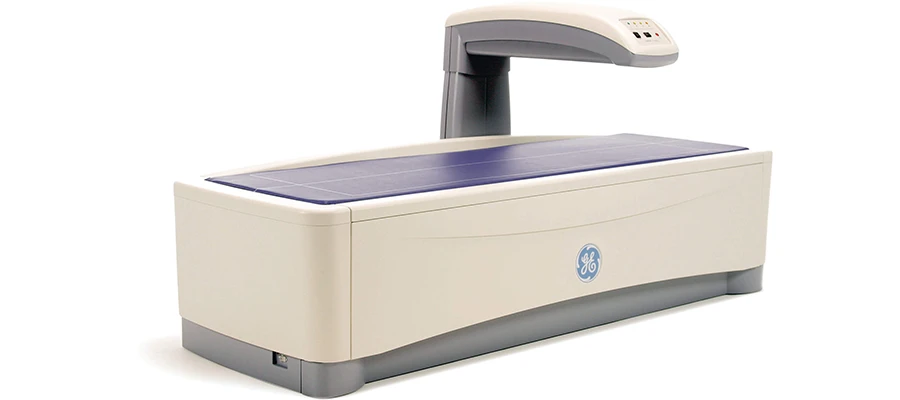
The correct application of imaging procedures directly affects the quality of the data obtained, and bone densitometry is performed in specific steps accordingly. During bone densitometry, the patient lies on the device, and the area to be measured is scanned by the device. No pain is felt during the bone densitometry procedure, and it is completed quickly. The obtained data is evaluated immediately, and results are prepared. Bone densitometry is easily tolerated by patients due to its comfortable nature.
Is Preparation Necessary Before Bone Densitometry?
In imaging procedures, preparation may be necessary in some cases to obtain accurate results, and bone densitometry generally offers an easy process in this regard. Mostly, no special preparation is needed before bone densitometry, but temporary discontinuation of certain medications may be required. Following the doctor’s instructions before the bone densitometry ensures more accurate results. This preparation process contributes to the diagnostic process by increasing measurement accuracy.
Bone Densitometry Prices 2026
In 2026, bone densitometry prices typically range between €400 and €1500.
How long does bone densitometry take?
Imaging methods that offer a time advantage contribute to the rapid advancement of healthcare services, and bone densitometry is quite practical in this respect. The bone densitometry procedure is usually completed in 10 to 20 minutes. Although the total time may be slightly longer with the preparation process, the procedure is quite fast. During bone densitometry, the patient lies still and the measurement is performed quickly. This rapid process is one of the most important advantages of bone densitometry.
Is Bone Densitometry Harmful?
The safety of methods used in healthcare is of great importance to patients, and bone densitometry is considered one of the safest methods in this regard. Since bone densitometry is a procedure performed using low-dose X-rays, radiation exposure is quite low. Bone densitometry offers significant benefits when applied only when necessary. This method helps protect bone health by providing the possibility of early diagnosis. Bone densitometry is widely used in modern medicine as a safe and effective imaging method.
How often should bone densitometry be performed?
Regular monitoring of bone health is crucial for preventing risks, especially those that may arise in later life, and bone densitometry is an important control method in this process. Bone densitometry is a measurement test that is generally recommended to be performed at specific intervals depending on the risk factor. While bone densitometry is usually repeated every 2 to 3 years in healthy individuals, this period may be shorter in those at high risk of osteoporosis. Bone densitometry is more frequently performed, especially in postmenopausal women and in the elderly. Thanks to bone densitometry, changes in bone density are regularly monitored, and potential losses can be detected early. Bone densitometry also plays an important role in the treatment process and can be repeated to evaluate the effectiveness of the applied treatment. Bone densitometry should be planned according to the doctor’s recommendation and performed taking into account the individual’s general health status. This method is an important monitoring tool that contributes to the protection of bone health.
What should be considered after bone densitometry?
While precautions after imaging procedures generally vary depending on the type of procedure, the post-operative process for bone densitometry is usually quite comfortable and trouble-free. Bone densitometry generally requires no special care, and the patient can immediately return to their daily life. Because bone densitometry is a non-invasive method, the risk of side effects is quite low. Since no intervention is made during the procedure, there is no pain or discomfort. Unless otherwise advised by the doctor, no extra precautions are necessary after bone densitometry. The precautions to be taken after bone densitometry are quite limited, which provides a significant advantage in terms of patient comfort. Bone densitometry is a frequently preferred method due to its quick application and comfortable post-operative process, allowing for a rapid return to daily life.