


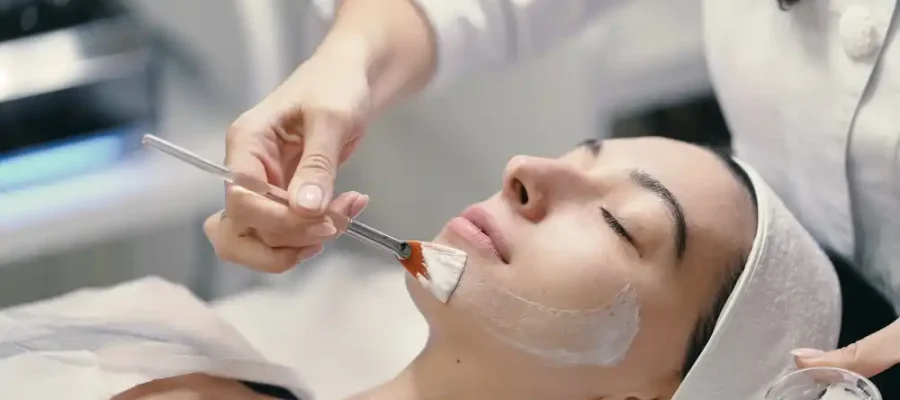
What Is Chemical Peeling?
Chemical peeling is a dermatological procedure that renews the skin by controlled exfoliation of its surface. During this procedure, special acid-based solutions are applied to the skin. Chemical peeling creates controlled damage to the upper skin layer and initiates cell renewal. :contentReference[oaicite:0]{index=0}
After peeling, the skin appears smoother and refreshed. It can be applied to the face, neck, and décolleté areas. It is ideal for fine wrinkles, spots, and acne scars. The depth of the procedure depends on the type of acid used. Superficial, medium, and deep peeling options are available. The appropriate protocol is determined after specialist evaluation.
How Is Chemical Peeling Performed?
Acids applied to the skin weaken cell bonds, causing the upper layer to exfoliate. The selected acid affects a specific layer of the skin during application. Dead cells are removed through chemical peeling, revealing healthier tissue underneath. Collagen production may also be supported.
The skin renewal process accelerates. Mild redness may occur after the procedure. Peeling may last for several days. The new skin layer begins to look more vibrant. Spot appearance can be reduced. Pores may appear less visible. Regular care supports long-term results.
What Types Of Chemical Peeling Are There?
Chemical peeling is classified as superficial, medium, and deep depending on application depth. Superficial peeling is suitable for sensitive skin. Glycolic or salicylic acids are commonly used. Medium-depth peeling results in more visible exfoliation.
This type is more suitable for treating spots. Deep peeling is used for more severe skin damage. Recovery takes longer. The choice depends on skin type. Specialist supervision is essential. Incorrect depth selection may lead to unwanted results.
Who Is Suitable For Chemical Peeling?
It is suitable for individuals with uneven skin tone or mild wrinkles. It may benefit people with acne and spot concerns. Chemical peeling can be applied to healthy skin. The procedure should be postponed in cases of active infection.
Careful evaluation is required during pregnancy. Low concentrations are preferred for sensitive skin. Skin analysis by a specialist is essential. Success is higher with correct patient selection. Regular care is recommended.
Benefits Of Chemical Peeling
It renews the skin and provides a brighter, smoother appearance. It may reduce the appearance of spots. Chemical peeling can soften fine wrinkles. It may reduce pore visibility and help control acne formation.
It can balance skin tone. Regular sessions support collagen production. It revitalizes skin texture. It does not require surgical intervention. Daily life can be resumed quickly. Safe results are achieved under specialist supervision.
Spot Treatment With Chemical Peeling
Chemical peeling is effective in reducing the appearance of skin spots. Acid solutions exfoliate the upper layer of the skin in a controlled manner. It may reduce melanin concentration and improve sun spots and mild melasma.
After peeling, the skin appears brighter. Spot depth determines session count. A few sessions may be enough for superficial spots. Medium-depth treatments may require more sessions. Sunscreen use increases treatment success. Results should be supported with skincare routines.
Acne And Scar Treatment With Chemical Peeling
It is commonly used to prevent acne formation. It reduces excess oil in the skin. Chemical peeling helps clean clogged pores, which may reduce new acne formation. Mild acne scars may improve over time.
Collagen production can be supported. Medium-depth applications may reduce scars more effectively. Session intervals are determined by a specialist. Careful planning is required when acne is active. Mild peeling may occur after the procedure. Regular care leads to smoother skin.
Before And After Chemical Peeling
Proper care before and after treatment directly affects results. Protect the skin from sun exposure before the procedure. Avoid irritating products. After chemical peeling, the skin may become sensitive.
Redness may occur in the first days. Peeling is normal. Sunscreen use is essential. Avoid hot water contact. Moisturizers should be used regularly. Following specialist recommendations accelerates recovery. Incorrect care may increase the risk of pigmentation.
Is Chemical Peeling Painful?
It is generally tolerable with a mild burning sensation. A brief stinging feeling may occur during application. The procedure usually lasts a few minutes. Sensitive skin may feel more discomfort.
A warming sensation may be felt in medium-depth applications. This is temporary. Mild sensitivity may occur afterward. Daily life can be resumed quickly. Comfort is ensured under specialist supervision.
Skin Renewal And Chemical Peeling
Chemical peeling is widely used for skin renewal. Dead skin cells are removed after application. It accelerates the cell regeneration process. The skin appears more vibrant.
Fine lines may become less noticeable. Pore visibility may decrease. Collagen production can be supported. Regular sessions provide a brighter appearance. Skin tone becomes more balanced. Specialist planning ensures safe results.
Side Effects And Risks Of Chemical Peeling
When applied under proper conditions, it is considered safe. However, some side effects may occur. Redness, mild burning, and sensitivity are common. Peeling is more noticeable in medium and deep applications.
Rarely, pigmentation may occur. Lack of sun protection increases risk. Sensitive skin may experience color changes. Correct acid selection is essential. Specialist supervision minimizes risks. Infection risk is low.
Session Planning And Frequency
Chemical peeling is usually planned in multiple sessions. Session number depends on skin type and condition. Four to six sessions are commonly recommended for superficial peeling. Skin analysis should be performed before treatment.
Session intervals are typically two to four weeks. Acne and spot treatments may require additional sessions. Gradual application prevents skin damage. Personalized planning increases success. Regular follow-up ensures a healthy process.
Skin Tone And Texture Improvement
Dead skin cells are removed during the procedure. After chemical peeling, the skin appears brighter and more vibrant. Color irregularities become less noticeable. Pore appearance may decrease.
Fine lines may soften over time. Collagen production can be supported. Regular use smooths the skin. Skin tone becomes more even. Sunscreen supports long-term results. Specialist planning ensures a natural appearance.
Recovery Process After Chemical Peeling
With proper care, recovery is usually smooth. Mild redness may occur in the first days. Peeling is a normal part of the process. The skin should be cleansed gently.
Moisturizers should be used regularly. Sunscreen is essential. Hot showers and saunas should be avoided initially. Avoid irritating products. Healing time depends on application depth. Following specialist advice is critical.
Chemical Peeling Prices 2026
Prices may vary depending on the peeling type, number of sessions, skin needs, and clinic. Contact us for detailed information.
Frequently Asked Questions
What should be considered after chemical peeling?
Proper aftercare directly affects results. The skin becomes more sensitive after treatment. Avoid sun exposure in the first days. Use sunscreen with at least SPF 30 regularly. Use gentle cleansers and avoid harsh exfoliants. Do not pick peeling skin. Moisturizers should be used generously. Avoid saunas and steam baths for a few days. Follow specialist advice for faster recovery.
How many sessions are required?
Chemical peeling is usually planned between four to six sessions. The number of sessions depends on skin concerns. Some cases may require only one session. Acne and spot treatments may need more sessions. Intervals are generally two to four weeks. Skin response is evaluated in each session. Gradual application prevents damage. Personalized planning ensures better results.
Can chemical peeling remove spots?
It can be effective in reducing certain types of spots. Sun spots may decrease with treatment. Chemical peeling reduces pigment concentration by renewing the skin. Medium-depth applications may provide stronger effects. Spot depth determines session count. Sunscreen improves results. Specialist evaluation is essential. Incorrect application may increase pigmentation risk.
Can chemical peeling treat acne scars?
It can help improve mild acne scars. It supports skin renewal and collagen production. This may reduce the appearance of scars over time. Medium-depth treatments are more effective. Deep scars may require additional treatments. Regular sessions are important. Skin texture improves gradually. Specialist planning increases success.
Is peeling normal after chemical peeling?
Yes, peeling is a normal part of the process. The upper skin layer sheds after application. This controlled damage supports renewal. Peeling may last several days. Mild redness may also occur. Do not remove peeling skin manually. Moisturizer use is essential. Sun protection is critical. The result is a brighter and healthier skin appearance.