


What is MR Spectroscopy?
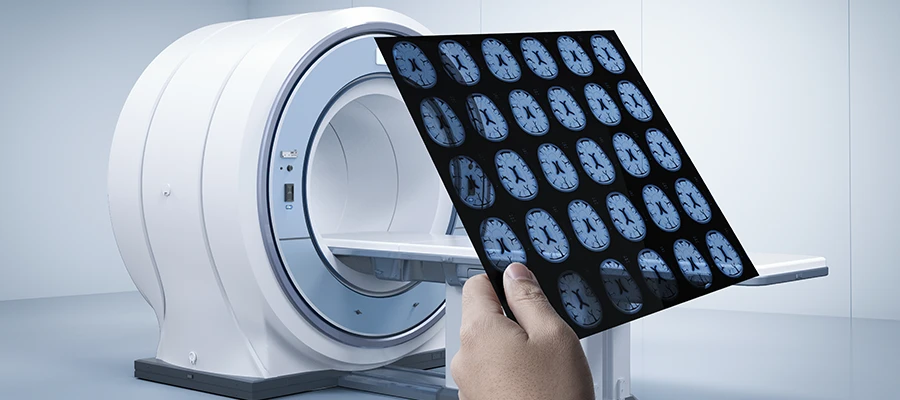
This method, among advanced imaging techniques, makes it possible to analyze the chemical structure of tissues. MR spectroscopy not only provides structural images but also reveals metabolic changes within cells. This allows for detailed examination of biochemical differences, particularly in brain tissue. MR spectroscopy, which can be performed with or without contrast, plays a significant role in the evaluation of tumors, infections, and neurological diseases. During the procedure, the patient must remain still and remove all metal objects. MR spectroscopy provides different information from classical imaging methods by measuring cellular metabolism. The images are analyzed by computer and interpreted by a specialist. The scan time generally ranges from 20 to 40 minutes. In modern medicine, MR spectroscopy is considered a critical reference for accurate diagnosis and treatment planning.
What is MR Spectroscopy Used For?
This method is preferred when it is necessary to evaluate the chemical structure and metabolic state of cells. MR spectroscopy is used especially to analyze biochemical changes occurring in brain tissue. It makes a significant contribution to differentiating tumors, infections, and neurological diseases. Thanks to MR spectroscopy, information about the character of diseases is obtained by measuring the levels of metabolites within the cells. The patient must remain still during the procedure and follow the instructions given. The images are processed on a computer and evaluated in detail by the specialist. In addition to classic MRI, MR spectroscopy offers metabolic analysis and increases diagnostic accuracy. This method, which is used safely in modern medicine, plays an important role in treatment planning.
How does MR Spectroscopy work?
This technique, aimed at understanding the chemical composition of tissues, collects data using magnetic fields and radio waves. MR spectroscopy allows for biochemical analysis by measuring the concentration of metabolites within cells. This reveals differences between normal and abnormal tissues. The data obtained during MR spectroscopy is processed by computer and analyzed graphically. It is crucial that the patient remains still during the procedure. This method provides critical information, particularly in the examination of brain tissue. Unlike conventional MRI, MR spectroscopy provides not only images but also metabolic data. The scan time typically ranges from 20 to 40 minutes and is performed safely.
In what situations is MR Spectroscopy preferred?
This method comes to the forefront when detailed examination of metabolic changes is required. MR spectroscopy is particularly preferred in the evaluation of brain tumors, epilepsy, and neurological diseases. This method provides important information about whether a tumor is benign or malignant. MR spectroscopy helps in making the right decisions in treatment planning. During the procedure, the patient must remain still and follow the instructions given. The images are processed on a computer and evaluated by a specialist. In modern medicine, MR spectroscopy is an important method offering detailed analysis capabilities. The scan time generally varies between 20 and 40 minutes.
What diseases can be evaluated with MR Spectroscopy?
This method offers a significant advantage when diseases need to be examined at the biochemical level. MR spectroscopy is used in the evaluation of brain tumors, infections, and neurological diseases. Thanks to this method, changes in cellular metabolism are clearly revealed. MR spectroscopy plays a critical role in the early diagnosis and treatment planning of diseases. During the procedure, the patient must remain still and follow the given instructions. The images are processed by computer, and a detailed analysis is performed by a specialist. In modern medicine, MR spectroscopy is considered a reliable and effective method.
The Role of MR Spectroscopy in Brain Tumors
Advanced imaging techniques are used to understand the structure and behavior of tumors. MR spectroscopy analyzes the metabolic characteristics of brain tumors, providing information about the type of tumor. This allows for differentiation between benign and malignant tumors. MR spectroscopy plays a crucial role in treatment planning and provides guidance before surgical intervention. During the procedure, the patient must remain still and follow the given instructions. The images are processed by computer and evaluated by a specialist. In modern medicine, MR spectroscopy is a critical tool in tumor evaluation.
How is metabolic analysis performed using MR Spectroscopy?
This method, used to examine the biochemical structure of tissues, measures metabolite levels. MR spectroscopy reveals the characteristics of diseases by analyzing chemical changes within cells. This analysis identifies differences between normal and abnormal tissues. Data obtained during MR spectroscopy is processed graphically on a computer. The patient must remain still during the procedure and follow the instructions given. In modern medicine, MR spectroscopy is an important method for metabolic analysis and increases diagnostic accuracy.
How is an MR Spectroscopy Scan Performed?
During the imaging process, the patient is placed inside the machine and instructed to remain still. MR spectroscopy collects data using magnetic fields and radio waves. This process provides information about cellular metabolism. Images are processed and analyzed by a computer during MR spectroscopy. Following the instructions given during the procedure is important for image quality. The imaging time generally ranges from 20 to 40 minutes, and the procedure is completed safely. In modern medicine, MR spectroscopy is an important method offering detailed analysis capabilities.
Is preparation necessary before MR Spectroscopy?
Certain preparations before the scan improve image quality. Metal objects must be removed before MR spectroscopy. Comfortable clothing should be preferred, and the patient should remain still. Special instructions may be given by the doctor if necessary. Data obtained during MR spectroscopy is processed and analyzed by a computer. This method provides important information for accurate diagnosis. In modern medicine, MR spectroscopy is safely performed, and the preparation process is generally simple.
How long does an MR spectroscopy take?
MR spectroscopy typically takes between 20 and 40 minutes to complete, although the duration may vary depending on the protocol used. The patient must remain still during the procedure and follow the instructions given. MR spectroscopy consists of different stages to analyze cellular metabolism. The images are processed on a computer and evaluated by a specialist. In modern medicine, MR spectroscopy is an effective method used safely. Patient comfort and immobility are of paramount importance throughout the procedure.
Important Considerations After MR Spectroscopy
Returning to daily life after the procedure is usually quick and does not require a special recovery period. The most important point to remember after MR spectroscopy is to drink plenty of fluids if contrast medium was used. This helps the body eliminate the medium more quickly. Mild dizziness or fatigue is rare and usually disappears quickly. Since MR spectroscopy is not an invasive procedure, there is no pain and patient comfort is maintained. Normal eating and daily activities can be resumed after the procedure. The images are processed on a computer and evaluated by a specialist. Accurate interpretation of MR spectroscopy results plays a crucial role in treatment planning. Therefore, a doctor’s evaluation should be done as soon as the results are received. In modern medicine, MR spectroscopy is considered a safe and effective method.
MR Spectroscopy Prices 2026
In 2026, MR spectroscopy prices typically range between €2500 and €8000.
Why is an MR Spectroscopy Performed?
This method is preferred when it is necessary to examine the chemical structure and metabolic changes of cells. MR spectroscopy reveals the characteristics of diseases, especially by analyzing biochemical changes occurring in brain tissue. It makes a significant contribution to differentiating tumors, infections, and neurological diseases. Thanks to MR spectroscopy, intracellular metabolite levels are measured, and detailed information about the type of disease is obtained. The patient must remain still during the procedure and follow the given instructions. The images are processed on a computer and evaluated by a specialist. In addition to classical imaging methods, MR spectroscopy provides metabolic data and increases diagnostic accuracy. This method, which is used safely in modern medicine, plays an important role in treatment planning.
What does MR Spectroscopy show?
This method, which reveals the chemical structure and metabolic state of cells, provides detailed information about tissues. MR spectroscopy measures the concentrations of metabolites within cells, showing the differences between normal and abnormal tissues. This allows for a clearer assessment of tumors, infections, or degenerative diseases. The data obtained from MR spectroscopy enables the analysis of biochemical changes. The patient must remain still during the procedure and follow the instructions given. The images are processed by computer and interpreted by a specialist. MR spectroscopy constitutes an important reference in diagnosis and treatment planning and is safely applied in modern medicine.
Is MR Spectroscopy Safe?
Because it does not involve radiation, this method is considered safe for most patients and is widely used. MR spectroscopy works with magnetic fields and radio waves and is a non-invasive procedure. Side effects are quite rare and usually resolve quickly. During MR spectroscopy, the patient must remain still and remove any metal objects. This method improves diagnostic accuracy by performing metabolic analysis. The images are processed on a computer and evaluated by a specialist. In modern medicine, MR spectroscopy is considered a safe and effective method.
Can tumors be detected with MR spectroscopy?
This method offers a significant advantage in examining the structure and metabolic characteristics of tumors. MR spectroscopy helps to assess whether tumors are benign or malignant by analyzing cellular metabolism. This allows for more accurate treatment planning. The data obtained with MR spectroscopy provides information about the size and behavior of the tumor. The patient must remain still during the procedure and follow the instructions given. The images are processed by computer and evaluated by a specialist. MR spectroscopy plays a critical role in tumor evaluation in modern medicine and is applied safely.
When will the MR Spectroscopy results be available?
After the scan is completed, results are usually ready within 1–3 business days and evaluated by a specialist. MR spectroscopy results provide detailed information about cell metabolism and biochemical changes. In urgent cases, results can be obtained more quickly. The images are processed and analyzed by computer. MR spectroscopy constitutes an important reference in diagnosis and treatment planning. Accurate interpretation of the results plays a critical role in understanding diseases. In modern medicine, MR spectroscopy is a reliable and effective analytical method.
Is MR Spectroscopy Suitable for Everyone?
Whether it is suitable for each individual is evaluated according to their health status and needs. MR spectroscopy is particularly preferred in individuals suspected of having neurological diseases. Caution should be exercised in individuals with metal implants. MR spectroscopy plays an important role in the evaluation of diseases by performing metabolic analysis. The patient must remain still during the procedure and follow the given instructions. The images are processed by computer and evaluated by a specialist. MR spectroscopy is a method safely used in modern medicine, and suitability is determined by the doctor.
Does MR Spectroscopy Hurt?
Most patients experience no pain during this procedure, and the process is completed comfortably. Only the sound of the instrument is audible during MR spectroscopy, and this is considered normal. If contrast is used, the intravenous administration of the substance may cause brief, mild discomfort. MR spectroscopy is a non-invasive procedure and does not involve radiation. The patient must remain still during the procedure and follow the instructions given. The images are processed on a computer and evaluated by a specialist. MR spectroscopy is considered a safe and painless imaging method in modern medicine.