


What is a biopsy?
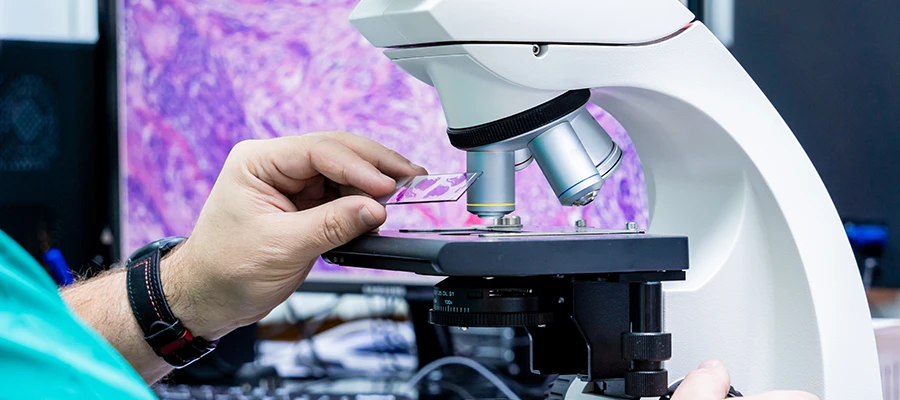
In medical diagnostic processes, biopsy is one of the most important procedures used to reach a definitive conclusion, allowing for the examination of a tissue sample. Biopsies are performed to evaluate suspicious tissues in the body in a laboratory setting. Biopsies allow for examination at the cellular level and clearly determine the type of disease. Biopsy procedures can be performed using different techniques, and the samples are analyzed in detail in a pathology laboratory. Biopsies play a critical role in making a definitive diagnosis, especially in cases of suspected cancer. Early diagnosis becomes possible through biopsies, and the treatment process can be initiated more quickly. Widely used in modern medicine, biopsies stand out as a reliable and effective diagnostic method. Biopsies are indispensable for determining the character of the disease and creating the correct treatment plan.
What are the purposes of a biopsy?
Biopsy plays a significant role among the methods used for accurate diagnosis in the healthcare field. Biopsies are performed to examine suspicious tissues, confirm cancer diagnoses, and determine the extent of disease spread. Through biopsy, the cellular structure is analyzed in detail, clearly identifying the type of disease. Furthermore, biopsies are used to identify infections and inflammatory diseases. The results obtained from biopsies significantly contribute to planning the treatment process. Biopsy is considered one of the most reliable methods for accurate diagnosis. In modern medicine, biopsy is a frequently preferred procedure in both diagnostic and follow-up processes.
How does the tissue sampling process work?
Biopsy, a crucial step in the diagnostic process, is a procedure performed following specific steps. During a biopsy, the target area is first identified and the appropriate method is selected. Local anesthesia is usually administered to ensure patient comfort. The tissue sample obtained through the biopsy is sent to a laboratory for detailed examination. The biopsy process proceeds quickly and in a controlled manner. Biopsy allows for a definitive diagnosis of the disease, and the treatment plan is determined accordingly. Biopsy is widely used in modern medicine as a reliable and effective diagnostic method.
In what situations is a biopsy considered necessary?
Among the methods used for the definitive diagnosis of diseases, biopsy is an important procedure, especially preferred in suspicious cases. Biopsy is deemed necessary when abnormal masses are present, unexplained pain occurs, and suspicious findings are observed in imaging results. Thanks to biopsy, the nature of the disease can be clearly determined. Biopsy is an indispensable method, especially in cases where cancer is suspected. The data obtained from biopsy helps in planning the treatment process correctly. Biopsy provides a great advantage in terms of early diagnosis and contributes to the control of diseases.
What diseases can be diagnosed with a biopsy?
Biopsy, a diagnostic method, plays an effective role in identifying many different diseases. Cancer types, infections, and inflammatory diseases can be diagnosed through biopsy. By examining the tissue at the cellular level, the type of disease is clearly revealed. Biopsy is particularly used to determine whether tumors are benign or malignant. The results obtained from a biopsy help guide the treatment process. Biopsy stands out as an important diagnostic tool in modern medicine.
What is Fine Needle Aspiration Biopsy?
Fine needle aspiration biopsy, a type of biopsy that falls under the category of minimally invasive methods, involves taking a tissue sample using a thin needle. This biopsy method is generally quick and comfortable to perform. The samples taken during the biopsy procedure are examined in a laboratory. Fine needle aspiration biopsy is frequently used, particularly in areas such as the thyroid and lymph nodes. Thanks to biopsies, diseases can be detected in their early stages. This method is a widely preferred and effective diagnostic technique in modern medicine.
How is a Tru-Cut (Correct Needle) Biopsy Performed?
Among methods that allow for the collection of larger tissue samples, biopsy, using the Tru-Cut technique, offers a different approach. During the biopsy, a thick needle is used to obtain a larger tissue sample. This method is particularly preferred for detailed examination of tumors. Local anesthesia is usually applied during the biopsy procedure to ensure patient comfort. The samples obtained through biopsy are analyzed in a pathology laboratory. Tru-Cut biopsy is an important method for accurate diagnosis.
In what situations is surgical biopsy preferred?
In some cases, when a more comprehensive examination is required, biopsy can be performed using surgical methods. Surgical biopsy is generally preferred for the evaluation of large masses. During the biopsy, the suspicious tissue is removed completely or partially. This method allows for a more detailed examination. When biopsy is performed surgically, it provides more accurate results. Surgical biopsy is an effective method preferred in certain situations in modern medicine.
What is Image-Guided Biopsy?
Thanks to advanced imaging techniques, biopsy procedures can be performed more precisely. Biopsies can be performed under ultrasound, CT scan, or MRI guidance. This method ensures that a sample is taken from the correct area. Biopsies increase diagnostic accuracy. Image-guided biopsy is a frequently used technique in modern medicine. Biopsies are performed more safely and effectively with this method.
Things to Consider Before a Biopsy
Preparation is crucial for achieving the best results from medical procedures, and certain rules must be followed before a biopsy. You should inform your doctor about any medications you are taking. Fasting may also be necessary in some cases. Proper preparation ensures the safe execution of the procedure. Biopsies yield more successful results with adequate preparation.
How long does a biopsy procedure take?
Thanks to advanced medical technologies, many procedures can be completed quickly, and biopsy offers an advantage in this respect. A biopsy procedure usually takes between 15 and 30 minutes. The duration of the procedure may vary depending on the method used. Samples taken during the biopsy are evaluated quickly. Biopsy is an effective diagnostic method that is completed in a short time.
Is a biopsy a painful procedure?
The level of comfort felt during medical procedures is an important issue for patients, and biopsies are generally considered a painless procedure. Since local anesthesia is applied during the biopsy, significant pain is not felt. A slight feeling of pressure may occur during the biopsy. Short-term sensitivity may be experienced after the biopsy, but this is temporary. Biopsy is a safe method performed with patient comfort in mind.
What is the process after a biopsy?
The recovery process after a biopsy, which completes an important stage in the diagnostic process, is generally rapid and controlled. The post-biopsy recovery period can vary depending on the type of procedure performed and the location of the tissue sample. Patients can often return to their daily lives shortly after a biopsy, but rest is recommended in the first few hours. Mild pain, tenderness, or bruising may occur at the biopsy site, and this usually resolves on its own. It is important to follow the care guidelines recommended by the doctor to reduce the risk of infection after a biopsy. Heavy physical activity should be avoided for a while after the biopsy. The patient needs to be monitored regularly while the biopsy samples are examined in the pathology laboratory. With proper care and attention, the post-biopsy process is completed smoothly, and the treatment plan is finalized based on the evaluation of the results.
Biopsy Prices 2026
In 2026, biopsy prices typically range between €2000 and €10,000.
Why is a biopsy performed?
Biopsy plays a significant role among the methods used to obtain definitive results in the diagnostic process. Biopsies are performed to examine suspicious tissues, confirm a cancer diagnosis, and determine the type of disease. Through biopsy, clear information about the disease is obtained by examining the tissue at the cellular level. Biopsies are particularly preferred when suspicious findings are observed in imaging studies. The results obtained from biopsies help in planning the treatment process correctly. Biopsy is widely used in modern medicine as a reliable and effective diagnostic method. Biopsy offers a great advantage in terms of early diagnosis.
How long does it take to get the biopsy results?
One of the most frequently asked questions in the diagnostic process is when the results will be available, and biopsy results are generally ready within a certain timeframe. Biopsy results are usually available between 2 and 7 days, but this time can vary depending on the detail of the examination. The samples taken during the biopsy are examined in detail in the pathology laboratory, and this process can take time. Detailed analysis is important for the accuracy and reliability of biopsy results. When the biopsy results are ready, the doctor evaluates them and informs the patient. Biopsy plays a crucial role in making a definitive diagnosis, and the results process is therefore conducted carefully.
Does a biopsy hurt?
The level of comfort felt during medical procedures is an important issue for patients, and biopsies are generally considered a painless procedure. Thanks to the local anesthesia applied during the biopsy, significant pain is not felt. Only a slight feeling of pressure may occur during the biopsy. Short-term sensitivity may be experienced after the biopsy, but this is temporary. Biopsy is a method performed with patient comfort in mind. The discomfort that may occur during the biopsy procedure is minimal. Biopsy is a safe and comfortable diagnostic method in modern medicine.
What precautions should be taken after a biopsy?
Post-operative care is crucial for a healthy healing process, and certain rules must be followed after a biopsy. Resting and protecting the treated area are important in the first few hours after the procedure. Hygiene should be carefully observed to prevent infection in the biopsy area. Avoiding strenuous activities after a biopsy is recommended. Mild pain or tenderness after a biopsy usually subsides quickly. Following your doctor’s recommendations ensures a smooth recovery. With proper care, a biopsy offers a rapid healing process.
Can cancer be definitively diagnosed with a biopsy?
Biopsy, among diagnostic methods, is one of the most accurate methods for diagnosing cancer. A tissue sample obtained through biopsy is examined under a microscope to evaluate the cellular structure in detail. Biopsy is one of the most reliable methods for determining the presence and type of cancer. The results obtained from a biopsy play a significant role in planning the treatment process. Biopsy provides the closest possible diagnosis and is widely used in modern medicine. Biopsy is critically important in cancer diagnosis.
Is a biopsy risky?
Safety is always a top priority in medical procedures, and biopsy is a method applied with this in mind. While there may be a low level of risk during a biopsy, these risks are generally under control. Biopsies are considered safe when performed by experienced teams. In rare cases, infection or bleeding may occur after a biopsy. Considering the benefits it provides, biopsy is a procedure with relatively low risks. Biopsy is a reliable diagnostic method widely used in modern medicine.
Should a biopsy be performed on an empty stomach or after a meal?
Preparation before medical procedures is crucial, and fasting may be necessary before a biopsy in some cases. The degree of fasting may vary depending on the area to be biopsied and the method used. It is important to follow the doctor’s instructions before the biopsy. Biopsies can generally be performed on a full stomach for minor procedures, but fasting may be necessary in some cases. Proper preparation ensures the procedure is performed safely. Biopsies yield more successful results with accurate preparation.