


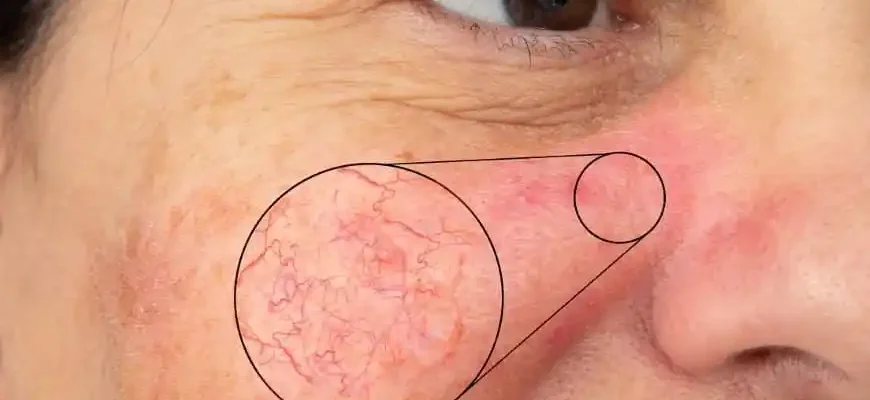
What Is Capillary Treatment?
Capillary treatment is an aesthetic procedure that aims to reduce the appearance of fine vessels visible on the skin surface. Thin, red or purple vessels on the face and legs are targeted. Laser or light-based devices are commonly used in this treatment. :contentReference[oaicite:0]{index=0}
During the procedure, the vessel wall is closed in a controlled manner and the blood inside the vessel is targeted. The body naturally eliminates the closed vessel over time. It helps reduce aesthetic concerns and provides a more even skin tone. The density of vessels determines the number of sessions. Return to daily life is usually quick after the procedure.
How Is Capillary Treatment Performed?
Laser is used to close visible superficial vessels. Before the procedure, skin analysis and vessel density are evaluated. During capillary treatment, a laser head focuses on the vessel and delivers targeted energy.
Laser energy targets hemoglobin within the vessel and generates heat. Due to this heat, the vessel wall shrinks and closes. The duration depends on the treatment area. A mild heat or stinging sensation may occur. Most individuals do not require anesthesia. Session intervals are usually a few weeks.
Why Do Capillaries Form?
Capillaries form when vessels close to the skin surface become enlarged. Genetic predisposition is one of the main factors. Standing for long periods or a sedentary lifestyle can increase pressure in vessels. Hormonal changes may also contribute.
Pregnancy and birth control medications can affect vessel formation. Excessive sun exposure may increase vessel visibility on the face. Vessel elasticity decreases with age, making them more noticeable.
Who Is Suitable For Capillary Treatment?
It is suitable for individuals with visible vessels on the face or legs. The treatment can be beneficial for those with aesthetic concerns. It is appropriate for adults in good general health. It is usually not recommended during pregnancy.
The procedure should be postponed in areas with active infection or open wounds. A specialist should evaluate vessel density and skin type. It can be safely planned for suitable candidates.
What Are The Benefits Of Capillary Treatment?
It reduces the appearance of visible vessels and makes the skin look smoother. It helps achieve a more even skin tone. After capillary treatment, aesthetic appearance improves significantly. It does not require surgical intervention.
Return to daily life is fast. Sessions are short and comfortable. In the long term, vessels become less noticeable. It may increase self-confidence. Regular follow-up leads to more lasting results.
Does Capillary Treatment Last Long?
When applied successfully, it can provide long-term results. Closed vessels usually do not reopen. However, new vessels may develop over time. The achieved appearance can be maintained for years.
Skin type and lifestyle affect the duration. Sun exposure may increase vessel visibility. Hormonal changes may lead to new formations. Regular skincare and sunscreen are essential. Additional sessions may be planned in later years if needed.
Before And After Capillary Treatment
Following pre- and post-treatment rules directly affects success. Avoid prolonged sun exposure before the procedure. Inform your doctor if you use blood-thinning medications. The skin should be clean before treatment.
After the procedure, mild redness may occur but usually resolves quickly. Hot showers are not recommended on the first day. Sunscreen use is essential. Rare crusting may occur. The skin should be handled gently. Following specialist advice accelerates recovery.
Is Capillary Treatment Painful?
It usually does not cause severe pain, only a mild stinging sensation. You may feel brief heat during the procedure. Most individuals tolerate capillary treatment well. Sensitive skin may feel slight burning.
The procedure is short, so discomfort is minimal. Anesthetic cream can be used if needed. Mild sensitivity may occur afterward but resolves quickly. Daily life can be resumed immediately.
Methods Used In Capillary Treatment
Various methods are used depending on vessel characteristics. Laser systems are the most common option. IPL devices can also be used. In some cases, sclerotherapy may be required.
The method is selected based on vessel thickness. Laser works better on fine vessels. Different protocols may be used for leg treatments. Specialist evaluation is essential. Success increases with the correct method.
Laser Capillary Treatment
Laser technology delivers targeted energy to capillaries. Hemoglobin absorbs the laser light. The resulting heat damages the vessel wall. Laser is widely used for capillary treatment.
Surrounding tissues are protected. The procedure is fast. Most individuals return to daily life immediately. Vessel density determines the number of sessions. Mild redness may occur. Results are usually visible within a few weeks.
Capillary Sclerotherapy
A special solution is injected into the vessel. This method involves delivering a sclerosing agent with a fine needle. The substance irritates the vessel wall and causes it to close.
The body gradually absorbs the closed vessel. It is especially effective for leg vessels. Session number depends on vessel density. The procedure is usually quick. Redness or bruising may occur. Compression stockings may be recommended. Success depends on proper patient selection.
Side Effects And Risks Of Capillary Treatment
When performed correctly, it is generally safe. Mild redness, swelling, or bruising may occur. Rare crusting may develop. Sensitive skin may show temporary discoloration.
Incorrect dosage or improper device use increases risk. Therefore, experienced specialists should perform the procedure. Infection risk is low. Lack of sun protection increases pigmentation risk. Following aftercare instructions is very important.
How Many Sessions Are Required?
Capillary treatment is usually planned in multiple sessions. Vessel thickness and density affect session count. Fewer sessions may be sufficient for facial areas. Skin type is considered during planning.
Session intervals are usually a few weeks. Reduction is visible after the first session. Completing the program is necessary for full results. A personalized plan should be created after specialist evaluation. Regular follow-up is recommended.
Recovery Process After Capillary Treatment
Recovery is generally fast and comfortable. Mild redness may occur after the procedure but resolves quickly. The skin may feel sensitive for a short time.
Avoid hot showers on the first day. Sunscreen use is essential. Mild bruising may last a few days. Gentle skincare is recommended. Most individuals return to daily life the same day. Personal factors affect recovery time.
Capillary Treatment Prices 2026
In 2026, prices may range between 20,000–80,000 TL depending on the treatment area and plan.
Frequently Asked Questions
How is sclerotherapy performed?
Sclerotherapy is performed by injecting a special solution into the vessel with a fine needle. The vessel structure is evaluated before the procedure and the appropriate dose is determined. The injected substance irritates the vessel wall and helps it close. The body gradually removes the closed vessel. The procedure usually takes fifteen to thirty minutes. Mild redness or bruising may occur afterward. Compression stockings may be recommended. Daily activities can usually be resumed the same day.
What is the recovery time after capillary treatment?
Recovery usually takes a few days to a few weeks. Mild redness may occur after the procedure but resolves quickly. Some sensitivity or mild bruising may appear. Protecting the skin from sunlight accelerates healing. Hot showers are not recommended on the first day. Most individuals return to daily routines immediately. Full results are typically visible within a few weeks. Skin type affects recovery duration.
Is there a difference between capillary and varicose vein treatment?
Capillary treatment focuses on thinner, superficial vessels, while varicose vein treatment targets thicker veins. Capillary treatment is usually aesthetic. Varicose vein treatment may address circulation problems. Laser or IPL is used for capillaries, while more invasive methods may be used for varicose veins. Vessel structure determines the treatment plan. Specialist evaluation is required.
Does capillary treatment even skin tone?
Yes, it can help create a more balanced skin tone. Redness decreases as visible vessels are reduced. The skin appears more even, especially on the cheeks. It is not a direct pigmentation treatment but may support overall appearance. Combining with skincare protocols enhances results. Sunscreen use is essential.
Can capillary treatment be applied during pregnancy?
It is generally not recommended during pregnancy. Hormonal changes may affect vessel appearance. Aesthetic procedures are usually postponed. Treatment can be considered after childbirth. A doctor should be consulted during breastfeeding. Health and safety are the priority.