


What is a liver biopsy?
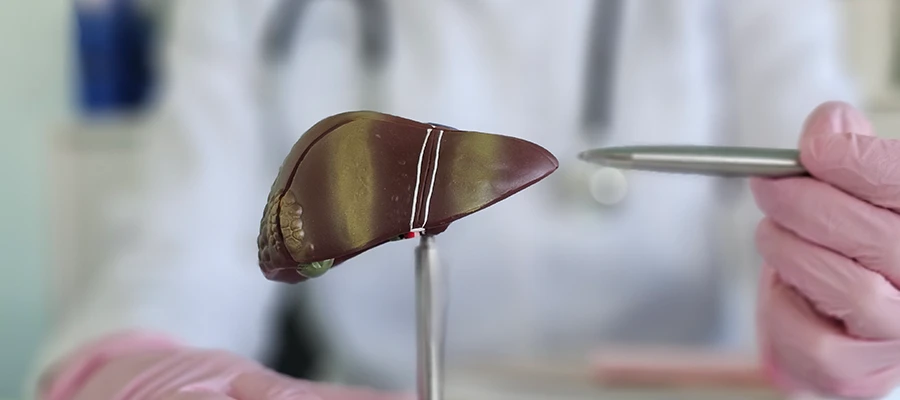
Among the methods used in the definitive diagnosis of liver diseases, liver biopsy is an important procedure that allows for detailed examination of a tissue sample. Liver biopsy is based on the principle of taking a small piece of liver tissue and evaluating it in a pathology laboratory. In this way, changes at the cellular level can be clearly revealed. Liver biopsy is particularly used to diagnose unexplained elevated liver enzymes and chronic liver diseases. It helps determine the type and stage of the disease and contributes to the correct planning of the treatment process. Widely used in modern medicine, liver biopsy stands out as a reliable and effective diagnostic method. Liver biopsy provides important information for understanding the course of the disease and helps determine the correct treatment approach.
Why is a tissue sample taken from the liver?
Liver biopsy plays a significant role among the methods used for the accurate evaluation of liver diseases. It is performed to identify abnormalities in liver tissue and understand the cause of the disease. Inflammation, fatty liver disease, and fibrosis can be examined in detail through liver biopsy. Liver biopsy is preferred for making a definitive diagnosis, especially when imaging methods are insufficient. The results obtained from a liver biopsy play a crucial role in planning the treatment process. Liver biopsy is also of great importance in determining the stage of disease progression. In modern medicine, liver biopsy is widely used as a reliable diagnostic method.
In what situations is a liver biopsy performed?
Liver biopsy plays a significant role among the methods used to assess liver health. It is performed in cases of chronic liver diseases, hepatitis, and fatty liver disease. Furthermore, liver biopsy is preferred in cases of unexplained liver dysfunction. A liver biopsy allows for a clear determination of the type and severity of the disease. By aiding in accurate diagnosis, a liver biopsy facilitates the planning of the treatment process. It offers a significant advantage in terms of early diagnosis and contributes to the control of diseases.
What diseases can be diagnosed with a liver biopsy?
Liver biopsy, a diagnostic method, plays an effective role in identifying many liver diseases. Diseases such as hepatitis, cirrhosis, and fatty liver disease can be diagnosed through liver biopsy. By examining the tissue at the cellular level, the type of disease is clearly revealed. Liver biopsy is also used, particularly in the evaluation of tumors. The results obtained from liver biopsy help guide the treatment process. Liver biopsy stands out as an important diagnostic tool in modern medicine.
The Diagnostic Value of Biopsy in Liver Diseases
Liver biopsy plays a crucial role in accurately diagnosing liver diseases. It provides vital information for determining the stage and extent of the disease, allowing for a clear analysis of disease progression. Liver biopsy is also critical in planning treatment. Compared to other imaging methods, it offers more accurate results, making it an indispensable diagnostic tool.
How is a liver biopsy performed using a needle?
Liver biopsy, an interventional procedure, is a practical method usually performed with the aid of a needle. During a liver biopsy, a sample of liver tissue is taken using a fine or coarse needle. Local anesthesia is usually administered during the procedure to ensure patient comfort. Liver biopsy is a quick procedure. The samples obtained from the liver biopsy are examined in the laboratory. This method is an effective diagnostic technique widely used in modern medicine.
Ultrasound-Guided Liver Biopsy Procedure
With advancements in imaging technologies, liver biopsies have become more precise. Performed under ultrasound guidance, liver biopsies ensure accurate sample collection from the correct area. The position of the needle is monitored in real-time using an ultrasound device during the procedure. This makes the liver biopsy safer. Liver biopsy is a method supported by advanced technologies in modern medicine. It offers reliable results with a high accuracy rate.
What is the preparation process for a liver biopsy?
Preparation is crucial for achieving the best results from medical procedures, and certain rules must be followed before a liver biopsy. Fasting is generally recommended before a liver biopsy, and the doctor should be informed of any medications being taken. Tests performed before a liver biopsy ensure the procedure is carried out safely. Proper preparation leads to more effective results. The process before the liver biopsy directly impacts the success of the procedure.
Is there pain during a liver biopsy?
The level of comfort felt during medical procedures is an important issue for patients, and liver biopsy is generally considered a tolerable procedure. Since local anesthesia is applied during a liver biopsy, significant pain is not felt. A slight feeling of pressure may occur during the procedure. Short-term tenderness may be experienced after the liver biopsy, but this is temporary. Liver biopsy is a safe method performed with patient comfort as a priority.
What are the potential risks of a liver biopsy?
Safety is always paramount in medical procedures, and liver biopsy is a method that requires careful execution. While there may be low-level risks during a liver biopsy, these are generally under control. In rare cases, bleeding or infection may occur after a liver biopsy. Liver biopsies are considered safe when performed by experienced teams. Considering the benefits it provides, liver biopsy is a procedure with relatively low risks.
Recovery Process After Liver Biopsy
The post-operative period is a crucial stage for patients, and recovery is generally rapid after a liver biopsy. Patients can quickly return to their daily lives after a liver biopsy. Following the doctor’s recommendations is important. Mild pain or fatigue may occur after a liver biopsy, but this usually subsides quickly. Liver biopsy is a procedure that offers a comfortable and rapid recovery process.
What precautions should be taken after a liver biopsy?
Following a liver biopsy, which completes a crucial stage in the diagnostic process, certain points to consider are of great importance for a smooth recovery. It is necessary to rest for the first few hours after a liver biopsy and protect the treated area. Heavy lifting and strenuous physical activity should be avoided. Mild pain, tenderness, or bruising may occur at the biopsy site, and this usually resolves on its own. To reduce the risk of infection after a liver biopsy, hygiene rules should be followed carefully. Medications prescribed by the doctor should be taken regularly. In case of sudden increases in pain, fever, or bleeding after a liver biopsy, a healthcare facility should be contacted immediately. With proper care and attention, the post-liver biopsy process is usually completed without problems, and patients can return to their normal lives quickly.
Liver Biopsy Prices 2026
In 2026, liver biopsy prices typically range between €4000 and €10,200.
Why is a liver biopsy performed?
Liver biopsy plays a significant role in the definitive diagnosis of liver diseases. It is performed to identify abnormalities in liver tissue and understand the cause of the disease. Inflammation, fatty liver disease, and fibrosis can be examined in detail through liver biopsy. Liver biopsy is preferred for making a definitive diagnosis, especially when imaging methods are insufficient . The results obtained from liver biopsy significantly contribute to planning the treatment process. Liver biopsy is also crucial in determining the stage of the disease. In modern medicine, liver biopsy is widely used as a reliable and effective diagnostic method.
Does a liver biopsy hurt?
The level of comfort felt during medical procedures is an important issue for patients, and liver biopsy is generally considered a tolerable procedure. Thanks to the local anesthesia administered during liver biopsy, significant pain is not felt. Only a slight feeling of pressure may occur during the liver biopsy. A short-term discomfort may be experienced during the liver biopsy, but this is temporary. Mild tenderness may occur after the liver biopsy, and this usually disappears quickly. Liver biopsy is a safe method performed with patient comfort in mind.
How long does a liver biopsy take?
Thanks to advanced medical technologies, many procedures can be completed quickly, and liver biopsy offers a significant advantage in this respect. The liver biopsy procedure usually takes between 15 and 30 minutes. Although the total time may be slightly longer with the preparation process, liver biopsy is a relatively quick procedure. Samples taken during the liver biopsy are quickly sent to the laboratory for evaluation. Because it is completed quickly, liver biopsy offers a comfortable process for patients. Liver biopsy is an effective diagnostic method that provides a time advantage.
Is a liver biopsy risky?
Safety is a crucial aspect of medical procedures, and liver biopsy is a procedure performed with great care. While there may be a low level of risk during a liver biopsy, these risks are generally under control. In rare cases, bleeding or infection may occur after a liver biopsy. Liver biopsies are considered safe when performed by experienced teams. Considering the benefits it provides, liver biopsy is a procedure with relatively low risks. It is a widely used and reliable method in modern medicine.
How long does it take to get the results of a liver biopsy?
One of the most frequently asked questions in the diagnostic process is when the results will be available, and liver biopsy results are generally ready within a certain timeframe. Liver biopsy results are usually available within 2 to 7 days, but this time can vary depending on the detail of the examination. Samples taken during the liver biopsy are examined in detail in a pathology laboratory, and this process can take time. Comprehensive analysis is crucial for accurate and reliable liver biopsy results. Once the liver biopsy results are ready, the doctor evaluates them and informs the patient. Liver biopsy plays a vital role in making a definitive diagnosis, and the results process is carefully managed.