


What is Urography (MRI)?
Urography MRI is a specialized medical imaging method that allows for a detailed examination of the kidneys, ureters, and bladder. Contrast-enhanced images clarify vascular and tissue details, facilitating the diagnosis of problems such as stones, blockages, or tumors. In some cases, non-contrast urography MRI may provide sufficient information. During the procedure, the patient must remain still and remove any metal objects. Urography MRI is reliably used to assess structural abnormalities and circulation in the urinary tract. The images are processed by computer, and the doctor analyzes the organs in detail to make an accurate diagnosis. The procedure typically takes 20–60 minutes and is radiation-free. In modern medicine, urography MRI is a critical reference for accurate diagnosis and treatment planning. A combination of contrast and non-contrast images makes urological evaluation more effective.
For what purposes is MR Urography performed?
MRI urography is performed to evaluate problems such as kidney and urinary tract stones, blockages, tumors, and infections. Contrast-enhanced MRI urography clarifies details of vessels and lesions and shows the structure of urological organs in more detail. Non-contrast scans may be sufficient in some cases. The patient must remain still during the procedure and remove all metal objects. MRI urography allows doctors to make accurate diagnoses and confidently plan treatment. The images are processed and analyzed by computer. The scan time generally varies between 20 and 60 minutes. MRI urography, safely applied in modern medicine, is a critical tool for the early diagnosis of urological problems.
How is the urinary system visualized with MRI?
The kidneys, ureters, and bladder are examined in detail using magnetic fields and radio waves with an MRI machine. Contrast-enhanced urography (MRI) clarifies details of vessels and lesions, making it easier to detect problems such as stones or blockages. Non-contrast scans may be sufficient in some cases. The patient must remain still during the procedure and remove any metal objects. The images are processed on a computer, and the doctor analyzes the urological organs to make an accurate diagnosis. Urinary system MRI provides a reliable reference in diagnosis and treatment planning. The scan time generally ranges from 20 to 60 minutes and is safely used in modern medicine. The combination of contrast and non-contrast scans improves image quality and reveals the patient’s condition more clearly.
Why are MRI scans ordered for the kidneys and urinary tract?
MRI is requested to obtain information about the blood flow and structural condition of the kidneys and urinary tract. Contrast-enhanced urography (MRI) clarifies problems such as stones, blockages, and tumors, and reveals vascular details. Non-contrast scans may be sufficient in some cases. The patient must remain still during the procedure and remove all metal objects. MRI allows for a detailed evaluation of the urological organs and provides a reliable reference in diagnosis and treatment planning. The images are processed on a computer. The scan time generally ranges from 20 to 60 minutes and is safely performed in modern medicine.
How are stones and blockages detected with MR urography?
Stones and blockages in the urinary system can be clearly seen with contrast-enhanced MR urography. The contrast enhances the details of vessels and tissues, facilitating diagnosis. In some cases, non-contrast scans may suffice. During the procedure, the patient must remain still and remove any metal objects. The images are processed on a computer, and the doctor analyzes the location and size of the stone or blockage. MR urography is a reliable tool for accurate diagnosis and treatment planning. The scan typically takes between 20 and 60 minutes. This method is safely used in modern medicine and allows for the early detection of urological problems.
How is a Urography MRI performed?
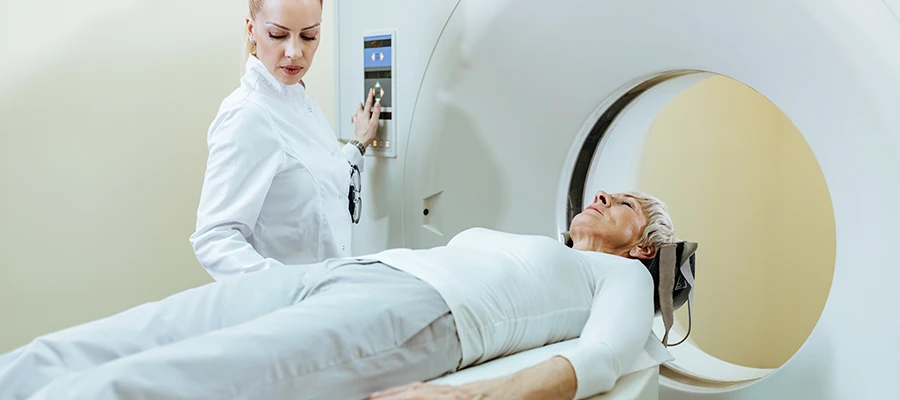
The patient is placed inside the machine and asked to remain still. Urography MRI records signals returning from protons using magnetic fields and radio waves. Contrast images clarify details of vessels and lesions. Non-contrast images may be sufficient in some cases. Metal objects should be removed before the procedure. The images are processed on a computer, and the doctor performs a detailed analysis. Urography MRI plays a critical role in the evaluation of vessels and tissues and is reliably used in the diagnosis of conditions such as stones, blockages, or tumors. The scan time generally ranges from 20 to 60 minutes.
Is preparation necessary before an MR urogram?
Before an MRI urography, all metal objects should be removed and any regular medication should be reported to the doctor. If a contrast-enhanced scan is to be performed, it is recommended to come on an empty stomach. Comfortable clothing will make it easier for the patient to remain still inside the machine. Special conditions such as pregnancy or kidney disease should be reported in advance. Earplugs or headphones can provide comfort due to the noise generated by the machine. Urography MRI clarifies vascular and lesion details and plays a critical role in diagnosis and treatment planning. The scan time generally ranges from 20 to 60 minutes and is safely performed in modern medicine.
Is MRI Urography Harmful?
Urography MRI is a safe imaging method for most patients because it does not involve radiation. The magnetic field of the device works safely in both contrast and non-contrast scans. The patient must remain still and remove all metal objects during the procedure. Urography MRI clarifies details of vessels and lesions, providing accurate diagnosis. Mild side effects are rare and usually short-lived. It is safely applied in modern medicine and constitutes a critical reference for accurate diagnosis. The scan takes between 20 and 60 minutes and is completed safely.
What is Contrast-Enhanced Urography (MRI)?
Contrast-enhanced urography (MRI) is a specialized imaging method used to clarify the details of blood vessels and tissues in the urinary tract. Thanks to the contrast agent, problems such as stones, blockages, or tumors become more visible. In some cases, non-contrast scans may suffice. During the procedure, the patient must remain still and remove any metal objects. The images are processed by computer, and the doctor analyzes the urological organs to make an accurate diagnosis. Contrast-enhanced urography provides a critical reference in treatment planning and is safely applied in modern medicine. The scan time generally ranges from 20 to 60 minutes.
Differences Between Urography MRI and CT Urography
Urography MRI and CT urography are two different imaging methods that examine the urinary tract. MRI urography is radiation-free and shows blood flow and tissue nutrition in detail. CT urography, on the other hand, provides rapid images using X-rays but involves radiation. Contrast-enhanced MRI scans clarify details of vessels and lesions. Non-contrast MRI may be sufficient in some cases. During the procedure, the patient must remain still and remove any metal objects. The images are processed by computer, and the doctor analyzes the urological organs to make an accurate diagnosis. Urography MRI constitutes a critical reference in safe and modern medicine.
Urography/MRI Prices 2026
In 2026, urography and MRI prices typically range between €700 and €3500.
Why is an MRI (Magnetic Urography) Performed?
MRI urography is preferred for evaluating the structural condition of the kidneys, ureters, and bladder. Contrast-enhanced images clarify details of vessels and lesions, making it easier to identify suspected stones, obstructions, or tumors. In some cases, non-contrast MRI urography may provide sufficient information. The patient must remain still during the procedure and remove all metal objects. MRI urography provides a reliable reference for accurate diagnosis and treatment planning by examining the urological organs in detail. The images are processed on a computer, and the doctor performs an analysis. The scan time typically ranges from 20 to 60 minutes. This method, safely used in modern medicine, is a critical tool in the early diagnosis of urological problems.
Does Urography/MRI hurt?
For most patients, urography MRI is painless, with only slight discomfort during the intravenous administration of contrast medium. Contrast images clarify details of vessels and lesions, making it easier to diagnose problems such as stones or blockages. In some cases, non-contrast MRI provides sufficient information. The patient must remain still during the procedure and remove all metal objects. Mild pressure or cold sensations are considered normal during the procedure. Urography MRI is safely used for accurate diagnosis and treatment planning. The scan typically lasts between 20 and 60 minutes and is radiation-free. This method is a safe and effective imaging tool in modern medicine.
How long does an MRI urogram take?
Urography MRI scans typically take between 20 and 60 minutes to complete, although the duration may vary depending on the scan protocol. Contrast-enhanced scans may take slightly longer to clarify details of vessels and lesions. Non-contrast MRIs may be completed in a shorter time in some cases. The patient must remain still during the procedure and remove all metal objects. Stillness is critical for image quality and accurate diagnosis. Urography MRI is a safe and effective method used in modern medicine and does not involve radiation. The patient must maintain their position throughout the scan and follow the doctor’s instructions.
Is Urography/MRI Safe?
Urography MRI is safe for most patients because it does not involve radiation and is widely used in modern medicine. The device’s magnetic field operates safely in both contrast and non-contrast scans. The patient must remain still and remove all metal objects during the procedure. Urography MRI clarifies details of vessels and lesions, providing accurate diagnosis. Mild side effects are rare and usually short-lived. This method provides a reliable reference in treatment planning. The scan takes between 20 and 60 minutes, and the patient is monitored safely.
What diseases can be diagnosed with MR Urography?
Urography MRI is used to evaluate conditions such as kidney stones, ureteral obstruction, bladder tumors, and infections. Contrast-enhanced images clarify details of vessels and lesions, facilitating diagnosis. Non-contrast MRI may be sufficient in some cases. During the procedure, the patient must remain still and remove any metal objects. The images are processed by computer, and the doctor analyzes them to make an accurate diagnosis. Urography MRI plays a critical role in modern medicine for the early diagnosis and treatment planning of diseases. The scan takes between 20 and 60 minutes and is performed safely.
When will the urography/MRI results be available?
After a urography MRI scan is completed, the results are usually prepared by a radiologist within 1–3 business days. In urgent cases, results can be delivered within a few hours. Contrast-enhanced images clarify details of vessels and lesions. Non-contrast MRI may be sufficient in some cases. The patient must remain still during the procedure and remove all metal objects. The images are processed on a computer, and the doctor analyzes the urological organs in detail to make an accurate diagnosis. Urography MRI provides a reliable reference in diagnosis and treatment planning. The scan time generally ranges from 20–60 minutes.
Is MR Urography Performed with Contrast?
Most urography MRI scans can be performed with contrast, using a contrast agent to clarify details of vessels and lesions. Non-contrast scans may suffice in some cases and are preferred in situations requiring additional information. The patient must remain still during the procedure and remove all metal objects. Contrast-enhanced urography MRI facilitates the diagnosis of problems such as stones, blockages, or tumors. The images are processed by computer, allowing the doctor to perform a detailed analysis. Urography MRI is safely used in modern medicine for accurate diagnosis and treatment planning. The scan takes between 20 and 60 minutes and is radiation-free.
Should an MRI (Magnetic Urography) be performed on an empty or full stomach?
Urography MRI is usually performed on an empty stomach to ensure safe use of contrast material. In some cases, light meals can be consumed, but doctor’s instructions are crucial. The patient must remain still during the procedure and remove all metal objects. Contrast images clarify details of vessels and lesions, and more accurately reveal suspected stones or blockages. Non-contrast images provide sufficient information in some cases. Urography MRI is a method safely used in modern medicine for accurate diagnosis and treatment planning. The scan takes between 20 and 60 minutes.