


What is embolization?
Embolization, a significant procedure in interventional radiology, is a modern method that helps treat various diseases by creating a controlled blockage of specific blood vessels. It works by closing the targeted vessel using special materials, thereby reducing or completely stopping blood flow to the affected area. Embolization is particularly preferred for tumor treatment, controlling internal bleeding, and correcting vascular abnormalities. The embolization procedure is usually performed under angiography guidance, allowing for detailed visualization of the vascular structure. Because embolization is less invasive than surgery, it offers a more comfortable process for patients. It speeds up the treatment process and shortens hospital stays. When applied with the right patient selection, embolization yields highly successful results. As one of the innovative treatment methods offered by modern medicine, embolization provides both a safe and effective option.
For what purposes is embolization used?
Among treatment methods targeting vascular structures, embolization is an effective technique that plays a significant role in controlling various health problems. Embolization is particularly used to stop active bleeding, shrink tumors, and treat certain vascular diseases. By reducing blood flow in the targeted area, embolization can prevent disease progression. Furthermore, embolization stands out as an alternative treatment option in cases where surgical intervention is risky. Embolization allows for more effective results by focusing directly on the problematic area. The findings and results obtained with embolization contribute to the improvement of the patient’s overall health. Thanks to its minimally invasive nature, embolization offers a faster recovery process. Embolization is a reliable and effective treatment method widely used in modern healthcare systems.
How does embolization work as a procedure to block blood vessels?
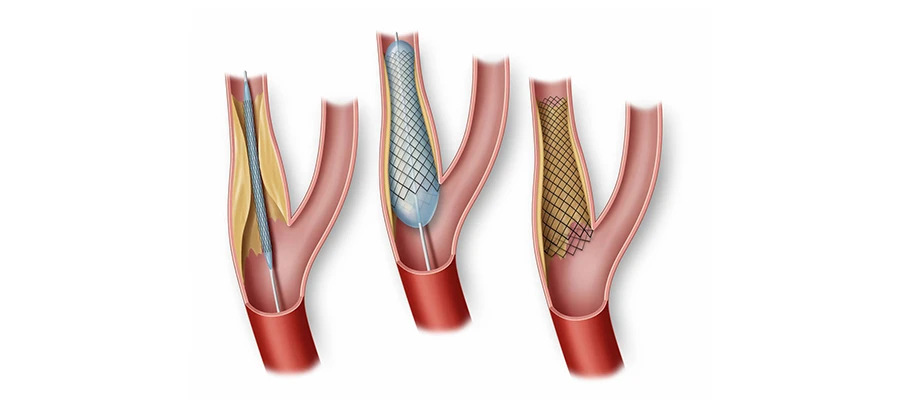
Embolization, an interventional treatment method, aims to cut off blood flow to the diseased area by creating a controlled blockage of blood vessels. During embolization, special particles, liquids, or coil materials are placed inside the blood vessel. Embolization closes the inside of the targeted vessel and stops blood flow. In this way, embolization helps shrink tumors, especially by preventing their nourishment. The embolization procedure is usually performed under angiography guidance, and the vascular structure is monitored in real-time. This ensures that the embolization procedure is performed more safely and in a controlled manner. Because embolization is supported by real-time imaging, it has a high accuracy rate. Embolization is widely used in modern medicine as a reliable and effective treatment method.
In what situations is embolization preferred?
Embolization holds a significant place among methods used as an alternative to surgical intervention in the treatment of some diseases. It is particularly preferred in cases such as uncontrollable bleeding, tumors, and vascular abnormalities. Through embolization, blood flow to the diseased area is cut off, initiating the treatment process. Embolization offers a safer option for patients with surgical risks. Because it can be performed quickly, embolization is also preferred in emergency situations. By directly addressing the problematic vessel, embolization provides effective results. Embolization is a widely used and successful treatment method in modern medicine.
Which diseases can be treated with embolization?
Embolization, among other treatment methods, plays an effective role in controlling many different diseases. Tumors, internal bleeding, vascular malformations, and some benign masses can be treated with embolization. By preventing the nourishment of diseased tissue, embolization causes it to shrink. Embolization offers a treatment option without the need for surgery, providing a significant advantage. Due to its wide range of applications, embolization holds an important place in the field of healthcare. The results obtained with embolization improve the patient’s quality of life. Embolization stands out as an effective and reliable treatment option in modern medicine.
The Role of Embolization in Tumor Treatment
Among the methods used in cancer treatment, embolization offers an effective treatment approach by cutting off the tumor’s blood supply. Embolization reduces blood flow to the tumor, which helps shrink it. Embolization is particularly preferred in cases where surgical intervention is difficult. With embolization, the treatment process progresses in a more controlled manner. Because embolization is a targeted method, it reduces the risk of damaging healthy tissues. Embolization plays an important role as a supportive method in tumor treatment in modern medicine. Embolization offers a more comfortable treatment process for patients.
How does embolization work in bleeding control?
Among the treatment methods used in emergency situations, embolization is an effective technique that allows for the rapid control of bleeding. During embolization, the bleeding vessel is identified and blocked with special substances. Thanks to embolization, blood flow is stopped and bleeding is controlled. Embolization plays a life-saving role, especially in trauma and internal bleeding. Its rapid applicability provides a significant advantage in emergency situations. Embolization is widely used in modern medicine as a reliable method of bleeding control. Embolization stands out as a treatment method with its effective results.
What are the types of embolization?
Embolization, a treatment method, can be applied using different techniques, and this varies depending on the type of disease. Types of embolization include particle embolization, coil embolization, and liquid embolization. Embolization is applied in different ways depending on the material used and the targeted area. This variety offers a more effective and personalized treatment option. Thanks to its different types, embolization has a wide range of applications. Embolization is a treatment method that holds an important place in modern medicine.
Embolization Process Guided by Angiography
Imaging techniques are crucial for the safe application of interventional procedures, and embolization is generally performed under angiography guidance. During embolization, the vascular structure is visualized in detail, and the target area is identified. The embolization procedure is then applied in a controlled manner based on these images. This method increases the accuracy of the embolization procedure. Embolization is a treatment method supported by advanced technologies in modern medicine. Embolization offers safe and effective results.
How to Prepare Before Embolization?
Preparation is crucial for achieving the best results from medical procedures, and embolization has specific guidelines in this regard. Fasting is generally recommended before embolization, and the patient’s general health is assessed. Tests performed before embolization ensure the procedure is carried out safely. Embolization yields more effective results with proper preparation. It is extremely important for the patient to follow their doctor’s recommendations during the embolization process. Embolization achieves more successful outcomes when combined with proper preparation.
Is Embolization Risky?
Safety is always paramount in medical procedures, and embolization is a method that requires careful application. While there may be low levels of risk during embolization, these risks are generally under control. Embolization is considered safe when performed by experienced teams. Given its benefits, embolization is an effective treatment option. It is a widely used and reliable method in modern medicine.
Recovery Process After Embolization
The post-treatment period is a crucial stage for patients, and recovery is generally rapid after embolization. Patients can quickly return to their daily lives after embolization. Following the doctor’s recommendations after embolization accelerates the healing process. Embolization is a treatment method that offers a comfortable and rapid recovery process. Its minimally invasive nature provides advantages for patients. Embolization is an effective method preferred in modern medicine.
Embolization Prices 2026
In 2026, embolization prices typically range between €8000 and €20,500.
Why is embolization performed?
Embolization, a treatment method targeting vascular structure, is an effective procedure applied to control many different health problems. It is particularly used to stop active bleeding, shrink tumors, and treat vascular abnormalities. By reducing blood flow in the targeted area, embolization can prevent disease progression. Furthermore, embolization offers a treatment option without the need for surgery, providing a significant advantage. By directly addressing the problematic vessel, embolization helps achieve rapid and effective results. The outcomes of embolization contribute to an improvement in the patient’s overall health. Embolization is a reliable and effective treatment method widely used in modern medicine.
Does embolization hurt?
The level of comfort felt during medical procedures is an important issue for patients, and embolization is generally considered a tolerable procedure. Since the area being treated is numbed with local anesthesia, there is no significant pain. Patients usually only experience a slight feeling of pressure during embolization. A brief sensation of warmth may occur due to some substances injected during the procedure. Embolization is generally considered painless and is easily tolerated by patients. Mild sensitivity may occur after embolization, but this usually resolves quickly. Embolization is a modern treatment method that prioritizes patient comfort.
How long does embolization take?
Thanks to advanced medical technologies, many interventional procedures can be completed quickly, and embolization offers a significant advantage in this regard. The embolization procedure generally takes between 30 minutes and 2 hours. The duration of the procedure may vary depending on the area being treated and the method used. Images obtained during embolization are evaluated instantly, and the procedure proceeds in a controlled manner. Embolization offers a comfortable process for patients due to its rapid application. The duration of the embolization procedure may vary depending on the patient’s general health condition. Embolization is an effective treatment method that provides a time advantage.
Is embolization dangerous?
Safety is always paramount in medical procedures, and embolization is a method applied with this in mind. While there may be low levels of risk during embolization, these risks are generally under control. Embolization is considered safe when performed by experienced teams. In rare cases, infection or allergic reactions may occur during embolization. Apart from this, embolization is generally a safe procedure. Considering the benefits it provides, embolization is a treatment method with very low risks. Embolization is a reliable procedure widely used in modern medicine.
How long does recovery take after embolization?
The recovery process after treatment is an important issue for patients, and a rapid recovery is generally experienced after embolization. Patients can often be discharged the same day or the next day after embolization. The recovery time after embolization may vary depending on the scope of the procedure and the patient’s general health condition. Mild pain or fatigue may occur after embolization, but this usually subsides quickly. Following the doctor’s recommendations after embolization will ensure a faster recovery process. Thanks to its minimally invasive nature, embolization allows for a quick return to normal life.
Is tumor treatment possible with embolization?
Among the methods used in cancer treatment, embolization offers an effective treatment approach by cutting off the tumor’s blood supply. Embolization reduces blood flow to the tumor, which helps shrink it. It is a preferred method, especially in cases where surgical intervention is difficult. With embolization, the treatment process progresses in a more controlled manner, and healthy tissues are protected. Because it is a targeted method, embolization holds an important place in modern medicine. Embolization can be used alone or in combination with other methods in tumor treatment. Embolization stands out as an effective and supportive method in cancer treatment.