


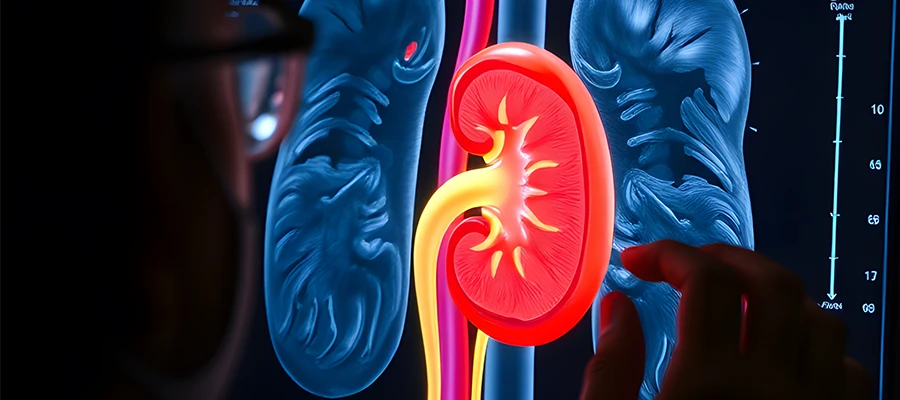
What is Renal Scintigraphy?
Renal scintigraphy is an advanced nuclear medicine imaging method used to evaluate the function and working capacity of the kidneys. Through renal scintigraphy, the blood supply to the kidneys, their filtration capacity, and the urine production process can be analyzed in detail. Renal scintigraphy is performed using a low dose of radioactive material administered to the patient, which reveals the functioning of the kidneys. Unlike classical imaging methods, renal scintigraphy allows for the evaluation not only of structure but also of function. Renal scintigraphy plays a significant role in the early detection of kidney function loss.
What are the purposes of renal scintigraphy?
Renal scintigraphy holds a significant place among the methods used in the evaluation of kidney diseases. It is performed to measure kidney function, assess urine flow, and detect potential obstructions. Renal scintigraphy allows for a detailed analysis of kidney function. It is particularly used in the evaluation of congenital anomalies, urinary tract obstructions, and infections. The data obtained from renal scintigraphy helps in planning the treatment process. Renal scintigraphy is a reliable imaging method widely used in modern medicine.
How is kidney function evaluated with scintigraphy?
Renal scintigraphy is a highly effective method for the detailed analysis of kidney function. During renal scintigraphy, a radioactive substance is administered, filtered by the kidneys, and excreted through urine. This process is visualized to assess how well the kidneys are functioning. Renal scintigraphy allows for the measurement of the performance of both kidneys separately. By providing functional assessment, renal scintigraphy offers the possibility of early diagnosis. Renal scintigraphy stands out as a reliable diagnostic method in modern medicine.
In what situations is a renal scintigraphy ordered?
Renal scintigraphy is a preferred diagnostic method when evaluating kidney health. It is requested in cases of suspected urinary tract obstruction, impaired kidney function, and recurrent infections. Renal scintigraphy is also used to assess congenital kidney diseases. It allows for a clear determination of the cause and severity of the disease. By aiding in accurate diagnosis, renal scintigraphy facilitates the planning of the treatment process.
What diseases can be detected with renal scintigraphy?
Renal scintigraphy plays an effective role in diagnosing many kidney diseases. It can detect loss of kidney function, urinary tract obstructions, and infections. Renal scintigraphy provides a detailed analysis of kidney function, offering a significant advantage, particularly in early diagnosis. It is widely used in modern medicine as a reliable diagnostic method.
Differences Between Dynamic and Static Renal Scintigraphy
Renal scintigraphy can be performed using different techniques, divided into two categories: dynamic and static. Dynamic renal scintigraphy is used to evaluate the functioning of the kidneys and urine flow. Static renal scintigraphy, on the other hand, is preferred to examine the structure and damage status of kidney tissue. Thanks to these two methods, renal scintigraphy offers the possibility of both functional and structural evaluation. Renal scintigraphy provides a significant advantage in terms of accurate diagnosis.
How is urine flow examined with renal scintigraphy?
Renal scintigraphy plays an important role in the evaluation of the urinary tract. During renal scintigraphy, a radioactive substance is injected, passes through the kidneys, and reaches the urinary tract, where this process is visualized. Renal scintigraphy can detect obstructions or delays in urine flow. Renal scintigraphy is frequently used in the evaluation of urinary tract problems, especially in children. By providing functional analysis, renal scintigraphy helps in making an accurate diagnosis.
How does the renal scintigraphy scan process proceed?
Renal scintigraphy is a planned procedure consisting of specific stages. During renal scintigraphy, a radioactive substance is administered to the patient, and its movement within the kidneys is monitored. The patient lies still while the device captures images. Renal scintigraphy is generally painless and comfortable. It is a fast and safe imaging method.
What is the preparation process before a renal scintigraphy?
To obtain accurate results before a renal scintigraphy, certain preparation guidelines must be followed. Drinking plenty of water before a renal scintigraphy is generally recommended. The doctor should be informed about any medications being taken before the procedure. The preparation process directly affects image quality. With proper preparation, renal scintigraphy provides more reliable results.
Is Renal Scintigraphy Harmful?
Renal scintigraphy is an imaging method that uses low doses of radiation and is generally considered safe. The radioactive substance used during renal scintigraphy is quickly eliminated from the body. When performed under medical supervision, renal scintigraphy does not pose a serious risk. Considering the benefits it provides, renal scintigraphy is considered a reliable diagnostic method.
Renal Scintigraphy Prices 2026
In 2026, renal scintigraphy prices typically range between €1500 and €4500.
Why is renal scintigraphy performed?
Renal scintigraphy is one method used to assess how healthy the kidneys are and whether urine flow is normal. This method is particularly preferred in cases of suspected kidney dysfunction, urinary tract obstruction, and infection. Renal scintigraphy allows for a detailed analysis of the kidneys’ filtering capacity and performance. By offering the possibility of early diagnosis, it contributes to a more successful treatment process.
Differences Between Renal Scintigraphy, Ultrasound, and CT Scans
Imaging methods such as renal scintigraphy, ultrasound, and computed tomography (CT) serve different purposes and each provides different information. Renal scintigraphy analyzes the working capacity and functional status of the kidneys, providing detailed data on urine flow and filtration performance. While ultrasound shows the size, shape, and structural features of the kidneys, CT provides more detailed anatomical images, making it prominent in detecting structural problems such as stones, masses, and tumors. In terms of functional evaluation, renal scintigraphy is more advantageous than other methods. Therefore, renal scintigraphy, ultrasound, and CT are usually used together to create a more comprehensive diagnostic process, and both the structural and functional aspects of the disease are examined in detail.
How are renal scintigraphy results interpreted?
Accurate evaluation of the obtained images is one of the most important stages of the diagnostic process, and at this point, renal scintigraphy results require expertise. Renal scintigraphy measures the functional capacity of each kidney separately, thus determining how active each kidney is. Areas showing low activity may indicate loss of function, while delayed voiding may suggest urinary tract obstruction. Renal scintigraphy results are evaluated together with clinical findings and other tests to reach a definitive diagnosis. This method is highly valuable in revealing potential functional disorders in the early stages and plays an important role in treatment planning.
Who is a suitable candidate for renal scintigraphy?
Renal scintigraphy, used in cases where detailed examination of kidney function is required, is a reliable method applicable to a wide range of patients. It is particularly preferred in individuals suspected of kidney failure, those experiencing urinary tract obstruction, or frequent infections. It also plays an important role in the evaluation of congenital kidney diseases. Renal scintigraphy can also be used to determine the individual functions of the kidneys before surgical planning. Applicable to different age groups, renal scintigraphy offers high diagnostic value with proper patient selection and contributes to the correct guidance of the treatment process.
What precautions should be taken after a renal scintigraphy scan?
Following simple post-procedure guidelines will ensure a more comfortable and safe recovery. Drinking plenty of fluids is recommended after a kidney scintigraphy to help the body quickly eliminate the radioactive substance. You can usually return to your daily life immediately, but it may be beneficial to avoid close contact with pregnant women and young children for the first few hours. While mild fatigue is rare, it usually resolves on its own. Following your doctor’s recommendations after a kidney scintigraphy is crucial for a smooth recovery.