


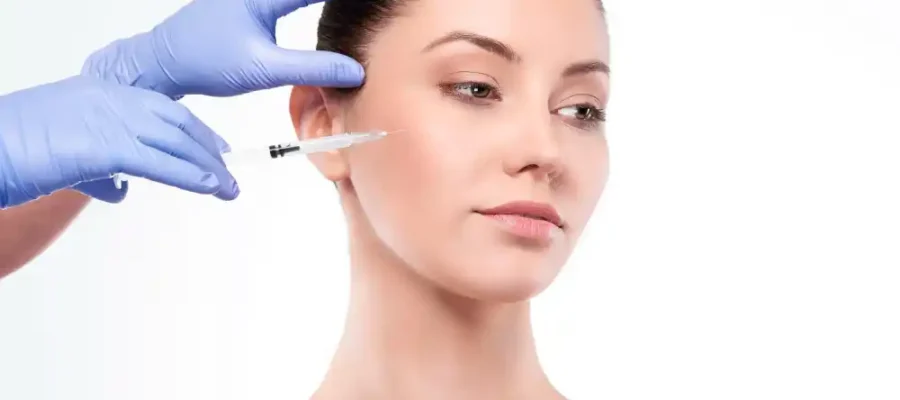
What Is Botox?
A medical injection reduces wrinkles by temporarily limiting muscle movements. The botulinum toxin it contains temporarily blocks nerve transmission, causing muscles to relax. Aesthetic Botox is especially effective in reducing expression lines. When applied in correct doses, Botox reduces wrinkles between the eyebrows and around the eyes.
It has many advantages; it does not require surgical intervention. The procedure is completed quickly, allowing the individual to return to daily life. It is also preferred for medical issues such as excessive sweating and teeth grinding. Applications performed under specialist supervision help maintain natural facial expressions.
How Is Botox Performed?
Small injections are applied to targeted muscles using fine needles. Before the procedure, the treatment area is thoroughly examined. Botox application is more successful when the dose is adjusted according to muscle structure. The procedure usually does not require anesthesia and takes ten to fifteen minutes.
During the application, controlled injections are made into specific muscle groups. Mild redness may occur afterward, but it subsides quickly. The ability to return to daily life immediately is a significant advantage. Botox performed by a specialist ensures a symmetrical and natural appearance.
How Long Does Botox Last?
The effect typically lasts between four to six months. Muscle movements begin to decrease after a few days. Botox usually shows its effect within 3 to 7 days. Muscles may weaken with regular applications, which can extend the duration of the effect. Facial expressions, muscle strength, age, and metabolism influence these variables. After about four months, muscle activity gradually returns to normal. Follow-up sessions under specialist supervision provide longer-lasting and balanced results.
Which Areas Can Botox Be Applied To?
It is applied to areas where facial muscles are most active. The eye area, between the eyebrows, and forehead lines are the most common treatment areas. Botox is especially effective for crow’s feet. It can also be applied to the upper lip, chin, and neck. Injections may be used in the underarm area to treat excessive sweating. It can also be applied to chewing muscles for teeth grinding. Botox can be customized according to individual needs and is safely used for both aesthetic and medical purposes.
Advantages And Disadvantages Of Botox
Botox reduces expression lines but may cause some temporary side effects. By limiting muscle movements, it softens lines and creates a younger, more dynamic appearance. Wrinkles around the eyes and forehead can be improved with regular Botox treatments. It is also used for excessive sweating and teeth grinding.
However, incorrect dosage or application may lead to temporary asymmetry. Bruising, headache, or mild redness may occur. Botox performed under specialist supervision reduces potential risks. Proper planning ensures both safe and natural results.
Things To Consider Before And After Botox
Following pre- and post-procedure rules directly affects results. Blood-thinning medications should not be used without consulting a doctor before the procedure. Avoid alcohol on the day of application. The treated area should not be massaged after Botox. You should remain upright for the first four hours. Avoid hot environments and intense exercise. With proper care, Botox results appear more balanced. Following expert advice reduces the risk of side effects.
Is Botox Painful?
You may feel slight discomfort during the procedure, but it is generally tolerable. The use of fine needles makes the procedure comfortable. Most people experience mild and short-term discomfort during Botox application. Anesthetic cream can be used for additional comfort. Since the procedure is quick, the discomfort does not last long. Mild sensitivity may occur afterward, but it does not affect daily life. Botox performed with the correct technique by a specialist ensures patient comfort.
Are Botox And Fillers The Same?
Botox and fillers work through different mechanisms to reduce muscle movement and restore volume. Botox relaxes muscles, reducing expression lines. Fillers are injected under the skin to restore lost volume. Botox is preferred for forehead and frown lines, while fillers are more commonly used in the lips and cheeks.
Botox partially limits muscle movement. Fillers enhance facial contours by adding volume. The appropriate method is determined based on individual needs.
Who Should Not Use Botox?
It is not suitable for pregnant individuals and some neurological patients. Botox is not recommended for people with muscle disorders. It is generally postponed during pregnancy and breastfeeding. Injections should not be applied to infected areas. Individuals with a history of allergic reactions should be cautious. Botox should not be performed without specialist evaluation. A detailed medical history ensures safe application.
Side Effects And Risks Of Botox
The most common side effects are mild and temporary. Bruising, redness, or slight swelling may occur at the injection site. If the dosage is not properly adjusted, temporary asymmetry may occur. Rarely, headache or mild muscle weakness can develop. These risks are significantly reduced when Botox is performed by a specialist. Incorrect application may lead to unwanted facial expressions. Effects usually resolve within a few days. A thorough evaluation before the procedure ensures safety.
Post-Botox Care
Careful post-procedure care helps results last longer. Do not bend your head forward for the first four hours. Avoid applying pressure to the treated area. Limit excessive movement on the first day. Reduce activities such as hot showers and sauna. After Botox, light facial movements are recommended. Avoid alcohol for the first 24 hours. Following expert advice helps achieve balanced results.
Anti-Aging Effects Of Botox
Repeated facial expressions over time create permanent lines. When Botox is applied regularly, reduced muscle movement helps the skin appear smoother. Botox softens fine lines. Early Botox applications can slow the progression of wrinkles. The tissues beneath the skin are preserved, and facial expressions are softened. Specialist planning ensures natural and balanced rejuvenation.
Botox Prices 2026
Botox treatment is planned according to the area and dosage used. The scope of the application may vary individually. Specialist evaluation is required for the most accurate information.
Frequently Asked Questions
When does Botox start to show its effect?
Botox typically begins to show its effect within 3 to 5 days. The initial effect starts with slight muscle relaxation. The treatment is usually completed within 7 to 14 days. The duration may vary depending on the treated area. Botox is noticed more quickly in the forehead and eye area. It is normal not to see visible changes in the first days. The effect requires some time to develop. A follow-up appointment is usually scheduled after two weeks.
Is there an age limit for Botox?
Botox is generally used after the age of 18. In the mid-20s, it is often applied for aesthetic purposes. It can be planned when expression lines begin to appear. Preventive Botox has recently become more common at younger ages. Skin structure should be considered in the decision. Age alone is not the determining factor. The most suitable timing is decided after specialist evaluation. Early application is not always recommended.
Does Botox really last up to six months?
The effect of Botox typically lasts four to six months. Metabolism plays a key role in duration. In first-time applications, the effect may last shorter. With regular use, the duration increases. Muscle strength also affects longevity. The effect usually begins to decrease by the sixth month. Once it completely fades, muscle movements return to normal.
Should Botox be repeated?
If the effect decreases, Botox can be repeated if desired. Muscle movements gradually return after the effect wears off. Regular Botox applications help prevent deeper wrinkles. It is generally planned every four to six months. Repeated applications help maintain a natural appearance. The interval depends on individual needs. The appropriate timing is determined by a specialist.
Does Botox harm facial expressions?
When applied correctly, Botox does not freeze facial expressions. Excessive dosage or incorrect application may lead to loss of expression. Botox performed by a qualified specialist provides natural results. The goal is not to completely stop muscle movement. Botox softens expressions and lines. Proper planning preserves natural expressions. Dose adjustment is essential for natural results.