

What Is PRP?
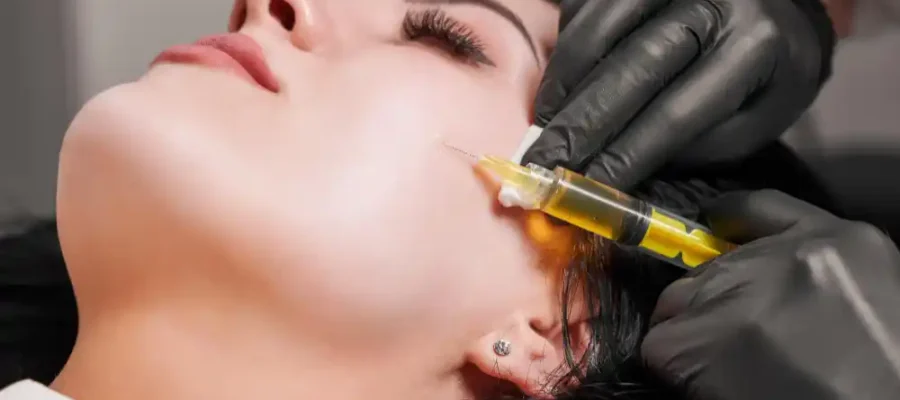
Applying plasma obtained from a person’s own blood to the skin is known as PRP facial rejuvenation. This technique separates a blood sample in special tubes. Platelet-rich plasma is injected under the skin. The natural renewal process is supported with PRP application. Growth factors within it may increase collagen production. :contentReference[oaicite:0]{index=0}
The repair process begins in the skin tissue. Fine lines may decrease. Skin tone may become more balanced. A dull appearance may gradually fade. It is not a surgical procedure. Since the person’s own tissue is used, allergy risk is low. It is frequently preferred for rejuvenation. It can also be planned with supportive aesthetic treatments.
How Is PRP Facial Rejuvenation Applied?
During the procedure, blood is separated and the obtained plasma is injected into the skin. The skin is cleaned first. If necessary, a local anesthetic cream is applied. Fine needles are used for PRP facial rejuvenation sessions. Injections are applied to selected areas.
The procedure takes approximately thirty minutes. Mild redness may occur afterward. Daily life can be resumed quickly. Sessions are usually planned at intervals. The application is personalized. Skin type is considered. Regular application provides better results.
Who Is Suitable For Facial PRP?
Facial PRP is suitable for individuals who want skin renewal and have good general health. It is especially preferred by people with dull and tired skin. PRP facial rejuvenation may benefit individuals with fine lines. It is also suitable for those seeking increased elasticity.
It can be applied to people with acne scars. It is an option for those avoiding surgical procedures. It is generally not recommended during pregnancy. Individuals with blood disorders should be cautious. Specialist evaluation is essential. Expectations should be realistic.
Benefits Of PRP Facial Rejuvenation
PRP application supports skin renewal and provides a more vibrant appearance. Collagen production may increase. Skin structure may strengthen over time. PRP facial rejuvenation may reduce fine lines. Elasticity may improve.
Skin tone may become more even. Pore visibility may decrease slightly. Natural content provides advantages. Recovery is fast. Regular sessions enhance results. Moisture balance may improve. The skin may appear brighter.
How Long Does PRP Last?
The effect of PRP facial rejuvenation usually lasts several months. Initial results may appear within a few weeks. The skin continues to renew over time. PRP facial rejuvenation results vary individually.
The average duration is about six months. Maintenance sessions are recommended. Healthy nutrition supports results. Sunscreen use is essential. Skincare routines should be maintained. Specialist application may improve longevity.
Before And After PRP Facial Rejuvenation
Following pre- and post-procedure rules increases effectiveness. Blood-thinning medications should be reported beforehand. Alcohol consumption should be reduced before treatment. The procedure should not be performed if there is an active infection. Makeup should be avoided on the day of treatment.
The face should not be washed for 24 hours afterward. Exercise should be avoided. Sauna and steam rooms should be postponed. Direct sun exposure should be avoided. High-SPF sunscreen should be used. Mild redness and sensitivity are normal. The skin should not be scratched or rubbed. Drinking water supports recovery. Following the session schedule improves results.
Skin Rejuvenation And Revitalization With PRP
With natural renewal, the skin may appear more vibrant and healthy. This method increases collagen production. PRP supports subdermal tissue strength. Dull appearance may decrease over time. Fine lines may become less noticeable.
Skin may become smoother. Blood circulation may improve. Cellular renewal may accelerate. Elasticity may increase. Moisture retention capacity may improve. It does not require surgery. Regular sessions provide clearer results.
Side Effects And Risks
PRP is generally safe but may cause temporary side effects. Mild redness may occur after the procedure. PRP facial rejuvenation may cause slight swelling. Bruising is rare and temporary.
Infection risk is low but requires sterile conditions. Individuals with blood disorders require caution. It is not recommended during pregnancy. Sensitive skin may experience temporary irritation. The procedure must be performed by an experienced specialist.
Wrinkle And Fine Line Treatment
This method increases collagen production and may reduce the appearance of wrinkles. It initiates skin repair. PRP facial rejuvenation may reduce wrinkle depth. The forehead and eye area benefit the most.
Elasticity may improve. The skin may appear fuller. Regular sessions are recommended. It does not completely eliminate wrinkles but may reduce their appearance. A natural plumping effect may occur. Skin tone may become more even.
Skin Tone And Elasticity Improvement
This application supports cellular transformation and may balance skin tone. Collagen production increases after treatment. PRP facial rejuvenation may make the skin appear firmer. Color irregularities may decrease.
Dull appearance may improve. Pore visibility may reduce. The skin may appear brighter. Moisture balance may improve. Fine lines may become less visible. The skin barrier may strengthen. Regular sessions are recommended.
Recovery Process After PRP Facial Rejuvenation
Recovery is usually fast and comfortable. Mild redness may appear after the procedure. PRP facial rejuvenation may cause slight swelling. These effects usually disappear within a few hours.
Sensitivity is temporary. Daily life can be resumed immediately. The face should not be washed for 24 hours. Sun protection is essential. High-SPF sunscreen should be used. Sauna and intense exercise should be avoided for a few days. Hydration supports healing.
Combination With Other Treatments
PRP facial rejuvenation can be safely combined with other treatments when properly planned. Combined applications may enhance results. PRP can be supported with laser treatments. It can be planned with mesotherapy.
It can create synergy with microneedling. Collagen production may be stimulated more effectively. It may support spot treatments and acne scar therapies. Session order should be determined by a specialist.
PRP Facial Rejuvenation Prices
Prices may vary depending on the individual and treatment plan. Contact us for detailed information.
Frequently Asked Questions
Does PRP hurt?
PRP facial rejuvenation is usually mildly uncomfortable and tolerable. Anesthetic cream may be applied before the procedure. Fine needles are used. Mild stinging may occur. Pain level varies individually. The procedure is short. Mild sensitivity may occur afterward. Daily life can be resumed quickly.
Does PRP rejuvenate the face?
When properly planned, it may provide a younger and more vibrant appearance. Collagen production is supported by growth factors. PRP facial rejuvenation initiates skin repair. Fine lines may decrease. Skin may become firmer over time. Elasticity may improve. Regular sessions enhance results.
How long does swelling last after PRP?
Swelling is usually mild and temporary. It may disappear within a few hours. Rarely, it may last one to two days. Mild redness may accompany swelling. Daily routine can be resumed immediately. Cold application may help. Sun protection is essential.
Can PRP reduce skin spots?
It may help reduce spots as a supportive treatment. It promotes cellular renewal. Color irregularities may decrease over time. It may be combined with laser treatments. Regular sessions are recommended. Sunscreen use is essential.
Can PRP be applied during pregnancy?
It is generally not recommended during pregnancy. Hormonal changes may affect skin response. Aesthetic procedures are usually postponed. Safety is the priority. Specialist evaluation after pregnancy is advised.
Can PRP be combined with other treatments?
Yes, it can be combined with various treatments when properly planned. It can be used with laser, mesotherapy, and microneedling. Combination treatments may increase effectiveness. Specialist evaluation ensures safety.