


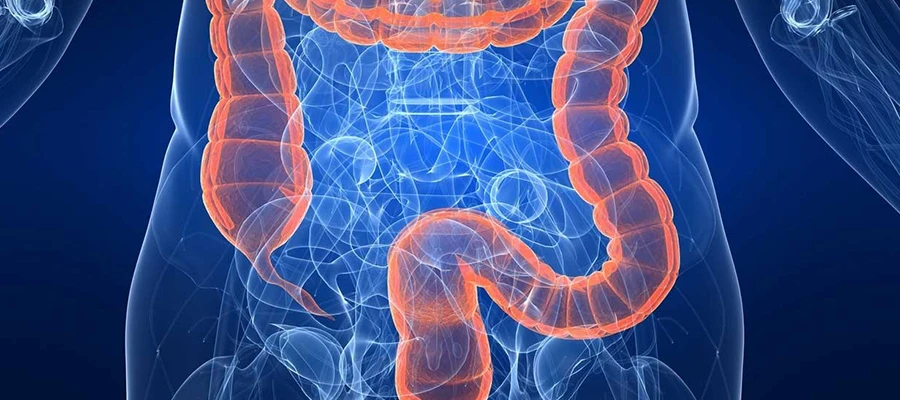
What is Virtual Colonoscopy?
Virtual colonoscopy, a modern imaging method developed for the early diagnosis of digestive system diseases, is an advanced technique that allows for detailed examination of the large intestine. Based on the principle of obtaining three-dimensional images of the inner surface of the intestine using computed tomography (CT), virtual colonoscopy offers a more comfortable alternative to classical methods. During this procedure, air is introduced into the intestine through a thin tube to provide a clearer view of the intestinal walls. The resulting images are then analyzed in a computer environment to examine the intestinal structure in detail. Because virtual colonoscopy is non-invasive, it offers a more comfortable experience for patients. By providing the possibility of early diagnosis, it helps to identify intestinal diseases before they progress and has become an increasingly preferred method today.
What is the purpose of virtual colonoscopy?
Screenings for digestive system health are of great importance, especially for early diagnosis, and virtual colonoscopy plays a significant role in this. Virtual colonoscopy is used to detect polyps, tumors, and other structural abnormalities that may occur in the large intestine. This method, widely used in colon cancer screenings, offers the opportunity for early diagnosis in individuals at risk. Virtual colonoscopy also provides effective results in evaluating conditions such as inflammation, diverticula, and strictures in the intestine. Preferred due to its quick application and emphasis on patient comfort, this method helps prevent unnecessary invasive procedures. The data obtained from virtual colonoscopy contributes to the accurate planning of the treatment process.
How does a virtual colonoscopy work?
Advanced imaging technologies have made it possible to examine the intestinal structure in detail, and virtual colonoscopy forms the basis of this process. Virtual colonoscopy works on the principle of taking cross-sectional images of the intestines using a computed tomography (CT) scanner and converting these images into three-dimensional form. During the procedure, air is introduced into the intestine, causing the walls to open and helping to obtain a clearer image. The obtained data is processed in a computer environment, and the inner surface of the intestine is analyzed in detail. Thanks to virtual colonoscopy, formations such as polyps and tumors can be detected at an early stage. This method facilitates the diagnostic process with its rapid results and high accuracy rate.
What diseases can be detected with virtual colonoscopy?
Detailed examinations for maintaining bowel health allow for the early detection of diseases, and virtual colonoscopy plays a significant role in this process. Virtual colonoscopy is most commonly used to detect colon polyps and colon cancer. In addition, diverticulitis, bowel strictures, and inflammatory bowel diseases can also be identified using this method. Virtual colonoscopy allows for a detailed examination of abnormalities in the bowel structure, enabling control of the disease before it progresses.
Differences Between Virtual Colonoscopy and Traditional Colonoscopy
While there are significant differences between bowel examination methods, virtual colonoscopy and conventional colonoscopy are frequently compared. Virtual colonoscopy is a non-invasive method using computed tomography (CT) and offers advantages in terms of patient comfort. Conventional colonoscopy, on the other hand, is performed with a device placed directly into the bowel and allows for biopsy if necessary. Virtual colonoscopy offers a faster and less painful option, while the conventional method also allows for therapeutic interventions. Therefore, the choice of method depends on the patient’s condition.
How are polyps and tumors detected using virtual colonoscopy?
Early detection of potential intestinal abnormalities is crucial for successful treatment, and virtual colonoscopy is an effective method in this regard. Virtual colonoscopy allows for the detection of polyps and tumors through detailed visualization of the intestinal lining. Analyses performed using three-dimensional images enable the detection of even small formations. This allows for early diagnosis and helps prevent disease progression.
How is a virtual colonoscopy performed?
Techniques are crucial for the accurate progress of the imaging process, and virtual colonoscopy is performed in specific steps. During the procedure, the patient lies in the CT scanner, and air is introduced into the bowel to open the walls. The device then quickly captures images, and this data is analyzed in a computer environment. Virtual colonoscopy is usually completed quickly and offers a comfortable experience for the patient.
How to Cleanse the Bowel Before a Virtual Colonoscopy?
For accurate results from imaging procedures, the bowels must be clean, and preparation before a virtual colonoscopy is therefore of great importance. Before a virtual colonoscopy, a special diet is implemented for the patient, and medications are used for bowel cleansing. This process allows for a clearer visualization of the inner surface of the bowel. Proper preparation before a virtual colonoscopy increases diagnostic accuracy and ensures more reliable results.
How long does a virtual colonoscopy take?
Thanks to advanced medical devices, imaging procedures can be completed quickly, and virtual colonoscopy offers a significant advantage in this respect. A virtual colonoscopy is usually completed in 10 to 20 minutes. The total time may be slightly longer with the preparation process, but the procedure itself is quite fast. With virtual colonoscopy, patients can get results quickly and return to their daily lives sooner.
Is Virtual Colonoscopy Harmful?
While the safety of methods used in health screenings is a significant concern for patients, virtual colonoscopy is generally considered safe in this regard. Virtual colonoscopy uses a low dose of radiation, and this amount is controlled. When performed only when necessary, the benefits of virtual colonoscopy far outweigh the risks. Therefore, it is preferred as a reliable method.
How to Interpret Virtual Colonoscopy Results?
Accurate analysis of imaging data is one of the most important stages of the diagnostic process, and virtual colonoscopy results are carefully evaluated at this point. Virtual colonoscopy results are interpreted through a detailed examination of polyps, tumors, or other abnormalities detected on the inner lining of the bowel. This evaluation, performed by specialist doctors, ensures an accurate diagnosis and guides the treatment process.
What precautions should be taken after a virtual colonoscopy?
There are some important points to consider after bowel imaging procedures that are crucial for a healthy recovery process, and adherence to these rules is recommended after a virtual colonoscopy. Patients can usually return to their daily lives shortly after a virtual colonoscopy, but temporary bloating may occur due to the air injected into the bowel during the procedure. This usually resolves on its own. Drinking plenty of water helps both relax the bowels and balance the body. Avoiding heavy and gas-producing foods for a short period after a virtual colonoscopy is also recommended. It is also important to follow any other instructions given by the doctor. Serious side effects are not expected after a virtual colonoscopy, but in rare cases of prolonged discomfort, a specialist should be consulted. Being careful during this process ensures a more comfortable recovery and supports a quick return to daily life.
Advantages and Disadvantages of Virtual Colonoscopy
Modern techniques for examining the bowel offer various advantages but also certain limitations, and virtual colonoscopy is a method that requires careful consideration. Virtual colonoscopy increases patient comfort due to its non-invasive nature and generally does not require sedation. Its short procedure time and rapid results are significant advantages. It also provides detailed visualization of the bowel structure, allowing for early diagnosis. However, the inability to remove polyps simultaneously during virtual colonoscopy is a significant disadvantage; in such cases, conventional colonoscopy may be necessary. Furthermore, the use of radiation, even at a low dose, may be considered a disadvantage for some patients. Virtual colonoscopy is a highly beneficial method when used in the right patient group, but the choice of method should be determined by expert evaluation.
Virtual Colonoscopy Prices 2026
In 2026, virtual colonoscopy prices typically range between €2500 and €7000.
Why is a virtual colonoscopy performed?
Screening for the early diagnosis of digestive system diseases is of great importance, especially for individuals in the risk group, and virtual colonoscopy is one of the frequently preferred methods in this process. Virtual colonoscopy is performed to detect polyps, tumors, and structural abnormalities that may occur in the large intestine. This method, which plays an important role in colon cancer screenings, helps to identify diseases in the early stages. In addition, virtual colonoscopy provides effective results in the examination of conditions such as narrowing, inflammation, and diverticula in the intestine. It is widely preferred due to its quick application and emphasis on patient comfort. By providing the opportunity for early diagnosis, virtual colonoscopy contributes to a more successful treatment process and can prevent unnecessary invasive procedures.
Does virtual colonoscopy hurt?
The level of comfort felt during imaging procedures is an important criterion for patients, and virtual colonoscopy stands out as an advantageous method in this respect. Pain is generally not felt during virtual colonoscopy because the procedure is non-invasive and does not require sedation. However, a slight feeling of pressure or bloating may occur due to the air introduced into the bowel. This is short-lived and quickly subsides after the procedure is completed. Virtual colonoscopy offers a much more comfortable experience compared to classic colonoscopy. Therefore, it is considered a suitable alternative for people with pain sensitivity. With its focus on patient comfort, virtual colonoscopy can be performed safely.
Is virtual colonoscopy safe?
Safety is always a priority in medical procedures, and virtual colonoscopy is considered safe in this respect thanks to modern technologies. During virtual colonoscopy, a low dose of radiation is used, and this amount is at a controlled level. The procedure is usually completed without any complications. Virtual colonoscopy offers significant benefits when applied only when necessary. It helps prevent serious illnesses by providing the opportunity for early diagnosis. Therefore, virtual colonoscopy is widely used as a reliable imaging method.
Can cancer be detected with virtual colonoscopy?
Early diagnosis of bowel diseases is crucial for the success of treatment, and virtual colonoscopy is an effective method in this area. Virtual colonoscopy allows for the early detection of tumors and signs of cancer in the large intestine. Thanks to three-dimensional imaging, the inner surface of the intestine is examined in detail, and abnormal formations are identified. Virtual colonoscopy plays a significant role, particularly in colon cancer screenings. Early diagnosis prevents disease progression and leads to a more successful treatment process.
When will the virtual colonoscopy results be available?
Obtaining quick results in the diagnostic process is crucial for treatment planning, and virtual colonoscopy offers an advantage in this regard. Images obtained after a virtual colonoscopy are usually evaluated the same day or shortly thereafter. In some cases, when a detailed examination is required, it may take several days for the results to be available. Thanks to virtual colonoscopy, a rapid analysis is performed, and the patient’s condition is determined quickly. This helps the treatment process begin without delay.
Is fasting required for a virtual colonoscopy?
Obtaining accurate results from imaging procedures requires adherence to specific preparation guidelines, and virtual colonoscopy involves a process that requires careful attention in this regard. Fasting and bowel cleansing are generally necessary before a virtual colonoscopy. This allows for a clearer visualization of the bowel lining and increases diagnostic accuracy. Following specific dietary guidelines before the procedure is also recommended. With proper preparation, virtual colonoscopy offers more reliable and clear results.