


What is Digital Radiography?
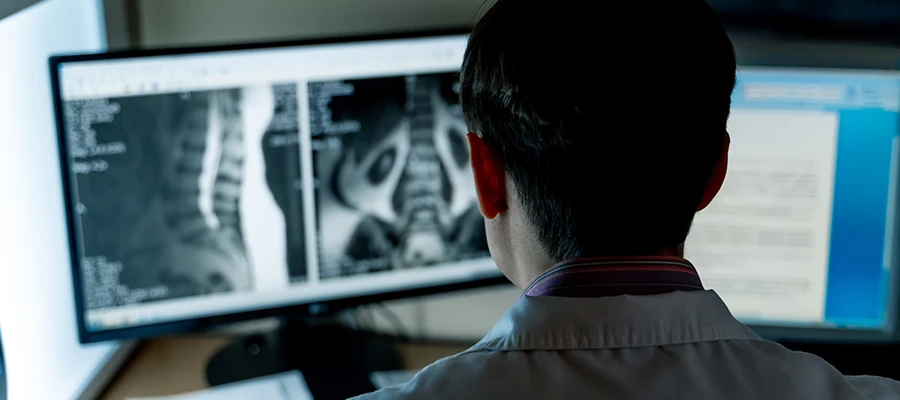
With the advancement of medical imaging technologies, methods offering faster and clearer results have come to the forefront, and digital radiography has gained a significant place in this field. Digital radiography is based on the principle of transferring images obtained using X-rays to a digital environment and processing them via computer. Thanks to digital radiography, bones, lungs, and some soft tissues can be examined in high resolution. Distinguished by its lower radiation usage compared to traditional methods, digital radiography also offers a great advantage in terms of providing quick results. Digital radiography allows doctors to make rapid assessments by instantly displaying images on the screen. Digital radiography also offers ease of storage and sharing of images. Widely used in many healthcare institutions today, digital radiography plays an important role in early diagnosis and accurate treatment planning.
For what purposes is digital radiography used?
Digital radiography holds a significant place among imaging methods used for the accurate diagnosis of diseases. It is particularly used to detect bone fractures, lung diseases, and infections. It is also preferred in orthopedic assessments and dental examinations. Digital radiography allows for detailed imaging of body structures, enabling the early identification of diseases. Due to its rapid and reliable results, digital radiography is frequently used in the healthcare field. The images obtained through digital radiography significantly contribute to the planning of the treatment process. This method stands out as an effective tool in both diagnosis and follow-up processes and has a wide range of applications in modern medicine.
How does digital radiography work?
Although imaging systems operate on different principles, digital radiography works by detecting X-rays with digital detectors. During digital radiography, X-rays sent into the body are absorbed by tissues at different rates, and this data is transferred to a digital environment. Thanks to digital radiography, the data obtained is processed instantly and converted into an image. This process is much faster than traditional methods. Digital radiography increases diagnostic accuracy by providing high-quality images. In addition, magnification and detailed examination can be performed on images obtained with digital radiography. These features are among the most important reasons why digital radiography is preferred in modern medicine.
In what situations is digital radiography preferred?
Digital radiography stands out among the methods used when rapid and accurate assessment of diseases is required. It is particularly preferred in the evaluation of bone fractures after trauma and in the examination of lung diseases. In addition, digital radiography is used in the diagnosis of orthopedic problems and infections. Its rapid applicability provides a significant advantage in emergency situations. Furthermore, its low radiation usage is another reason for its popularity. Digital radiography offers a practical and reliable imaging method for both patients and healthcare professionals.
What diseases can be visualized with digital radiography?
Early diagnosis plays a crucial role in the treatment of many diseases, and digital radiography is used as an effective method in this process. Digital radiography can visualize bone fractures, lung infections, pneumonia, and some tumors. In addition, dental diseases and joint problems can also be examined with digital radiography. Thanks to digital radiography, diseases can be detected in their early stages, and the treatment process can be started more quickly. This method holds an important place in the healthcare field due to its wide range of applications. Digital radiography helps in making accurate diagnoses and facilitates treatment planning.
Differences Between Digital Radiography and Analog X-rays
Advances in imaging technologies have enabled the use of more advanced systems compared to traditional methods, and digital radiography has come to the forefront in this field. Digital radiography works based on analog X-ray film while processing images digitally. Digital radiography provides faster results, and images can be evaluated immediately. Furthermore, digital radiography offers the advantage of lower radiation usage. High image quality is another significant difference of digital radiography. Digital radiography is a more widely preferred method in modern healthcare.
What are the advantages of digital radiography systems?
Digital radiography, among the contributions of technology to the healthcare field, stands out due to its numerous advantages. It is notable for its rapid results, high resolution, and low radiation use. Images can be easily stored and reviewed when needed. Furthermore, digital radiography eliminates the need for film, making it an environmentally friendly method. These advantages have led to its widespread use in healthcare facilities. Digital radiography offers significant convenience for both patients and doctors.
How is a digital radiography scan performed?
The correct application of imaging procedures directly affects the quality of the results obtained, and digital radiography is performed with specific steps accordingly. During a digital radiography scan, the patient is positioned appropriately, and the area to be examined is placed in front of the device. Images are obtained using short bursts of X-rays during digital radiography. Digital radiography is generally a quick and painless procedure. The obtained images are immediately transferred to a computer. Thanks to its comfortable nature, digital radiography is easily tolerated by patients.
Is Preparation Necessary Before Digital Radiography?
While preparation may be necessary in some cases to obtain accurate results in imaging procedures, digital radiography generally offers a simple process. Most of the time, no special preparation is required before a digital radiography. However, patients may be asked to remove any metal objects. Following the doctor’s instructions before the digital radiography ensures more accurate results. Digital radiography is practical and increases patient comfort by minimizing the preparation process.
How long does a digital radiography scan take?
Thanks to the advanced equipment used today, imaging procedures are completed in a very short time, and digital radiography offers great convenience in this respect. A digital radiography scan is usually completed in 5 to 10 minutes. Although the total time may be slightly longer with the preparation process, the procedure is quite fast. During digital radiography, the patient remains still for a short time, and images are obtained within seconds. Digital radiography speeds up the diagnostic process due to its rapid results. This speed is one of the most important advantages of digital radiography.
Is Digital Radiography Harmful?
The safety of methods used in healthcare is of paramount importance to patients, and digital radiography is a method that requires careful consideration in this regard. Digital radiography uses low doses of X-rays, but this amount is kept to a minimum thanks to modern equipment. Digital radiography offers significant benefits when applied only when necessary. When used correctly, digital radiography is considered safe and plays a crucial role in the diagnostic process. It is an effective imaging method widely used in modern medicine.
Differences Between Digital Radiography and CT Scanning
Data obtained using different technologies in imaging methods play an important role in the diagnostic process, and digital radiography has its own unique characteristics among these methods. While digital radiography provides two-dimensional images, CT provides sectional and three-dimensional images. Digital radiography is a faster and less expensive method. It also offers the advantage of lower radiation use. CT, on the other hand, is preferred in cases requiring more detailed examination. With its practical structure, digital radiography plays a significant role in the initial assessment phase.
Digital Radiography Prices 2026
In 2026, digital radiography prices typically range between €200 and €9000.
Why is digital radiography performed?
Digital radiography holds a significant place among the methods used to obtain quick and accurate results in medical evaluations. It is particularly used to detect bone fractures, lung diseases, and infections. In addition, digital radiography is frequently used in post-traumatic assessments and orthopedic examinations. Thanks to digital radiography, detailed images of body structures allow for the early identification of diseases. Due to its rapid results and practical application, digital radiography is widely preferred in healthcare facilities. The images obtained with digital radiography help doctors make accurate diagnoses and facilitate the planning of the treatment process. Digital radiography stands out as an important part of the diagnostic process in modern medicine.
What is the difference between digital radiography and conventional X-rays?
With the advancement of imaging technologies, more modern systems have emerged compared to traditional methods, and digital radiography has offered a significant innovation in this field. Digital radiography uses classic X-ray film while processing images digitally. Digital radiography provides faster results, and images can be evaluated instantly. Furthermore, digital radiography stands out with its lower radiation usage. High image quality is another important advantage of digital radiography. Images can be easily stored and shared thanks to digital radiography. These features are enabling the more widespread use of digital radiography in the healthcare sector.
Does digital radiography involve radiation?
Like some other imaging techniques, digital radiography involves a certain level of radiation, but this amount is quite low thanks to modern equipment. The X-rays used during digital radiography allow for the visualization of the body’s internal structures. Digital radiography offers significant benefits when applied only when necessary. Therefore, it is preferred after considering the balance between risk and benefit. When applied correctly, digital radiography is considered a safe method. Thanks to modern technologies, digital radiography is performed with more controlled and lower radiation doses.
Who undergoes digital radiography?
Digital radiography is a practical imaging technique applicable to a wide range of patients. It is particularly suitable for individuals experiencing bone pain, trauma, and respiratory problems. It is also preferred for orthopedic evaluations and routine check-ups. Digital radiography allows for early detection of diseases, enabling more effective treatment planning. It can be carefully applied to different age groups and planned according to a doctor’s recommendation. Its speed and reliability make it a widely used method in healthcare.