


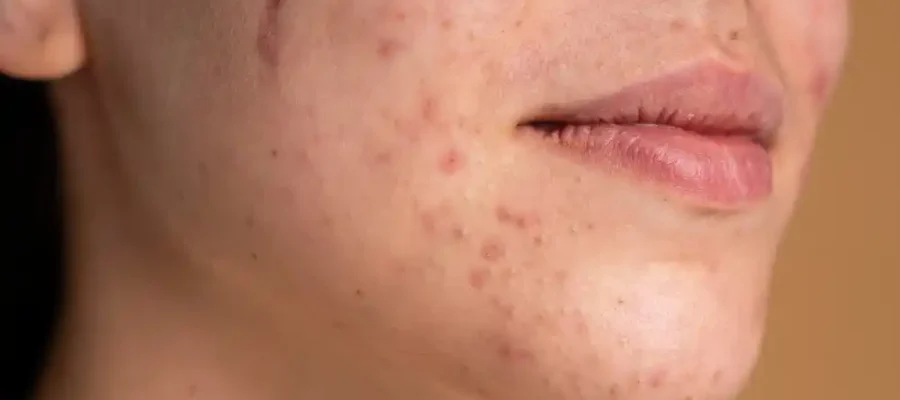
What Is Acne Scar Treatment?
Permanent tissue damage and discoloration that occur on the skin after acne are known as scars. The tissues beneath the skin may be damaged, and inflamed, deep acne can leave scars after healing. This damage creates a pitted, raised, or stained appearance on the skin surface. When collagen production decreases, the tissue cannot repair itself, and acne scars become more visible.
The likelihood of permanent acne scars is higher especially after squeezing pimples. The severity of acne and skin type can change the appearance of scars. Some people develop dark spots, while others may have pitted scars. When proper care is applied early, the likelihood of permanent acne scars decreases.
Why Do Acne Scars Occur?
Deep and inflamed acne can leave permanent scars on the skin. Intense inflammation beneath the skin disrupts tissue integrity and makes healing more difficult. Unconscious interventions and the habit of squeezing pimples lead to permanent acne scars. Collagen loss can cause the skin surface to become depressed. In some cases, acne scars change color and appear as spots. If acne persists for a long time and treatment is delayed, the risk of scarring increases. Acne scars can largely be prevented with regular skincare and specialist supervision.
How Is Acne Scar Treatment Performed?
Permanent skin damage is treated with various methods depending on its type and depth. While creating a treatment plan, the skin structure and the severity of scars are examined. Chemical peeling and spot-lightening methods provide better results for superficial marks. For deep acne scars, microneedling and laser treatments are used. Procedures that increase collagen production over time reduce the appearance of acne scars.
In more advanced cases, fractional laser may provide better results. Using sunscreen and maintaining regular care during the treatment process are very important. Acne scar treatment provides healthier and more lasting improvement when performed under specialist supervision.
Who Is Acne Scar Treatment Suitable For?
This treatment is applied to individuals who do not have active infections and have permanent scarring issues. People who have had severe acne in the past may be suitable candidates for acne scar treatment. Personalized planning is made by considering skin type and scar depth. Acne scar treatment begins after the active acne problem is resolved.
Open wounds, pregnancy, or serious skin conditions may delay the procedure. The success rate in acne scar cases is quite high. Regular skincare habits help maintain the long-term effectiveness of acne scar treatment.
Methods Used In Acne Scar Treatment
A range of medical and technological methods can reduce permanent scars on the skin. The depth of acne scars and skin type must be evaluated when choosing the treatment. Chemical peeling and dermocosmetic support are ideal for facial spots. Microneedling and laser systems are ideal for moderate and deep acne scars. Procedures that increase collagen production over time renew skin texture.
Sometimes supportive procedures such as mesotherapy and PRP are planned. Treatment carried out under specialist supervision ensures more balanced and natural results. Regular care habits support a more efficient healing process.
Acne Scar Treatment With Laser
Laser acne scar treatment provides skin renewal and reduces the appearance of scars. Light energy acts in a controlled manner under the skin and initiates collagen production. Laser applications are especially effective for individuals with deep acne scars. Regular application of acne scar treatment ensures gradual renewal of skin tissue. Mild redness may occur after the procedure, but it is temporary.
Laser treatment applied at the appropriate dose by a specialist helps reduce the appearance of acne scars while also balancing skin tone. Regular sun protection plays a key role in treatment success.
Fractional Laser And Acne Scars
In fractional laser acne scar treatment, microchannels are created in the skin to reduce scars. Controlled thermal damage occurs on the skin surface during the procedure, triggering renewal. Fractional laser is particularly effective in improving pitted acne scars. As collagen production increases, acne scars become smoother over time.
The depth of scars determines the number of sessions required. Following aftercare recommendations accelerates healing. Fractional laser applications, a safe and effective option for acne scar treatment, should be performed under specialist supervision.
Mesotherapy For Acne Scar Treatment
Mesotherapy for acne scar treatment supports the renewal process by injecting customized vitamin and mineral mixtures under the skin. The applied contents increase collagen production and strengthen the tissue. Mesotherapy can be supportive especially for mild to moderate acne scars. When applied regularly, acne scar treatment helps the skin appear more vibrant and balanced.
When planned together with other medical procedures, a higher success rate is achieved. Regular mesotherapy applications reduce the appearance of acne scars and even out skin tone. Following post-procedure care recommendations increases the longevity of results.
Chemical Peeling For Acne Scar Treatment
Peelings that exfoliate the skin surface in a controlled way can reduce scars. The acids used during the procedure renew the upper skin layer and help balance the skin. Chemical peeling provides good results for individuals with mild and superficial acne scars. Regular acne scar treatment helps lighten spots. It supports collagen production, making the skin smoother. Using sunscreen after the procedure is extremely important. Chemical peeling under specialist supervision reduces acne scars while revitalizing the skin.
PRP For Acne Scar Treatment
PRP acne scar treatment supports skin renewal using plasma obtained from the patient’s own blood. Growth factors applied under the skin accelerate healing. PRP is a supportive method especially for mild to moderate acne scars. This application increases collagen production, making acne scars less visible over time. When applied regularly, acne scar treatment results are natural and safe. Mild redness may occur after the procedure, but it subsides quickly. With regular application, the skin becomes stronger and healthier.
Before And After Acne Scar Treatment
Proper analysis before the procedure significantly affects treatment success. Before creating a treatment plan, skin type and scar severity are examined in detail. Protecting the skin from the sun before the procedure is very important. Redness and sensitivity may occur after the application. Regular care is necessary after acne scar treatment. Using sunscreen reduces the risk of new acne scars. When expert recommendations are followed, acne scars visibly decrease. Patience is essential, and sessions should not be skipped.
Does Acne Scar Treatment Take Long?
Skin structure and the chosen method affect the longevity of the results. After the sessions are completed, the improvement usually lasts for a long time. Results appear gradually, especially after deep acne scar treatments. As collagen production increases, the appearance of acne scars decreases over time. Regular care enhances long-term results. Controlling new acne formation is very important. Acne scar treatment can remain effective for years with proper care. Paying attention to skin health supports long-term success.
Is Acne Scar Treatment Painful?
The effects during the procedure are usually mild and temporary. A burning or stinging sensation may occur during the application. This depends on the chosen method. Many people feel more comfortable by using anesthetic cream before acne scar treatment. Sensations from laser and microneedling are short-lived. Individuals with deep acne scars may feel slightly more sensitivity. Mild redness may occur after the procedure, but it generally does not affect daily life. Acne scar treatment is planned by a specialist to minimize discomfort.
Aftercare And Healing Process After Acne Scar Treatment
Proper post-treatment care accelerates healing. Mild redness and sensitivity may occur on the skin. Avoiding sun exposure after acne scar treatment is very important. Especially in the first days, products that strengthen the skin barrier should be preferred. If crusting occurs, the skin should not be forced. Regular moisturizing helps reduce the appearance of acne scars. The post-treatment process becomes more comfortable when expert advice is followed. The skin usually returns to normal within a few days.
Side Effects And Risks Of Acne Scar Treatment
The most common side effects after the procedure are redness and sensitivity. Swelling or crusting may occur after sessions. Especially after treating deep acne scars, the skin may remain sensitive for a few days. The possibility of discoloration or infection is rare. Acne scar treatment performed under specialist supervision reduces these potential risks. Following post-procedure care instructions is very important. Acne scar treatment is generally safe when performed according to skin type. Regular follow-up helps detect potential side effects early.
Acne Scar Treatment Prices 2026
The cost of treatment varies depending on the selected method and number of sessions. Pricing is determined by considering the depth of scars and skin structure. Options such as peeling, laser, or PRP differ in cost. As of 2026, clinic equipment and specialist experience affect pricing.
In cases of deep acne scars, the total cost increases as the number of sessions rises. After examination, the exact price of personalized acne scar treatment is determined. Current campaigns and package options may also affect pricing. Specialist evaluation is required for the most accurate information.
Frequently Asked Questions
How Does Swelling Go Away After Acne Scar Treatment?
Swelling after the procedure usually subsides on its own within a few days. Redness and edema may occur depending on the treatment type. Acne scar treatments, especially laser or microneedling, may cause sensitivity. Swelling after acne scar treatment typically disappears completely within 2 to 5 days. This period may be slightly longer for deeper procedures. Using cold compresses and following doctor recommendations accelerates healing. The process is directly affected by skin type and treatment intensity.
Does Acne Scar Treatment Remove Superficial Scars?
With the right techniques, superficial scars can be significantly reduced. Regular acne scar treatment helps reduce mild discoloration and shallow depressions. Chemical peeling and laser applications are especially effective in eliminating superficial acne scars. The procedure increases collagen production, making the skin smoother. Starting acne scar treatment earlier increases the success rate. The number of sessions and method are determined individually. Regular care ensures lasting results.
Can Acne Scars Be Treated During Pregnancy?
During pregnancy, most people postpone medical treatments. The skin is more sensitive during this period, so some procedures are not recommended. Laser acne scar treatment is generally not advised during pregnancy. Only superficial and mild treatments may be considered under doctor supervision. The skin may be affected by hormonal changes. Safe treatment of acne scars is usually postponed until after childbirth. No procedure should be performed without consulting a specialist.
When Does Acne Scar Treatment Show Results?
Initial results begin to appear within a few weeks. Changes occur gradually because collagen production is a long process. The skin renews after acne scar treatment. Results may appear earlier in mild cases. Noticeable improvement in deep scars is seen after several sessions. When applied regularly, acne scar treatment shows significant changes within one to three months. Following the recommended care routine and being patient are very important.