

What Is Radioactive Iodine Treatment?
Radioactive iodine treatment is a method used particularly in the treatment of thyroid diseases. This treatment is performed by taking radioactive iodine (I-131) orally. Radioactive iodine acts specifically on the thyroid gland because the thyroid gland absorbs and uses iodine in the body. The basic principle of the treatment is that radioactive iodine binds to thyroid cells and destroys or shrinks these cells. This feature is useful in the treatment of thyroid cancer, hyperthyroidism (excessive thyroid hormone production), and certain thyroid nodules.
Radioactive iodine treatment is a non-invasive form of treatment and can generally be performed in an outpatient setting without requiring hospitalization. The treatment is applied to normalize thyroid gland function, destroy cancer cells in the thyroid gland, or reduce the size of the thyroid gland. The recovery and follow-up process after treatment may vary depending on the purpose of the treatment and the patient’s general health condition.
Why Is Radioactive Iodine Treatment Performed?
Radioactive iodine treatment plays a critical role in the management of various thyroid diseases. In the treatment of hyperthyroidism, it is particularly preferred for conditions such as Graves’ disease that cause excessive thyroid hormone production. This treatment helps thyroid hormone levels return to normal by destroying overactive thyroid cells. In addition, conditions that cause enlargement of the thyroid gland, such as thyroid nodules or goiter, may also be controlled with radioactive iodine treatment.
It also has an important role in the treatment of thyroid cancer. It may be used to destroy microscopic cancer cells remaining after surgical removal of the thyroid gland. In this way, the risk of cancer recurrence may be reduced and post-treatment follow-up can be performed more effectively. Radioactive iodine treatment is also an effective method in the treatment of metastatic thyroid cancer. The treatment may help prevent cancer cells from spreading to other parts of the body.
What Are the Stages of Radioactive Iodine Treatment?
The radioactive iodine treatment process generally consists of several stages. First, before starting treatment, patients may need to stop thyroid hormone-suppressing medications for a certain period. This allows radioactive iodine to be absorbed more effectively by thyroid cells. Patients may sometimes be placed on a low-iodine diet. This diet aims to reduce iodine levels before treatment and increase the effectiveness of radioactive iodine.
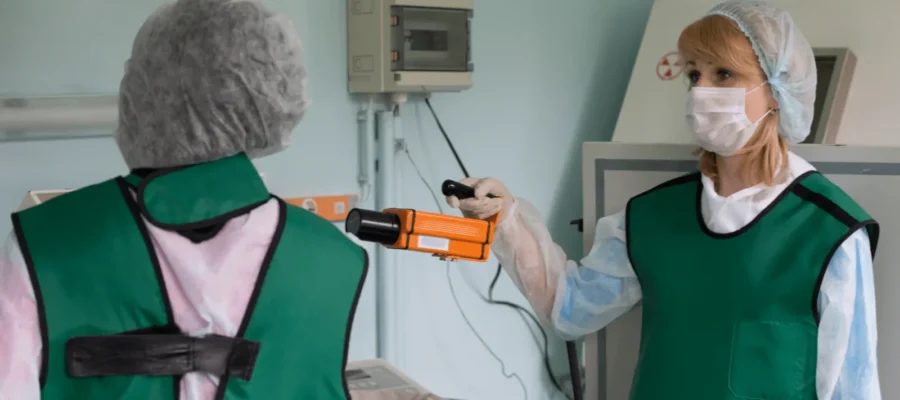
After the treatment is administered, patients generally remain in isolation at home for several days. This precaution is taken to prevent the patient and people around them from being exposed to radiation while radioactive iodine is being eliminated from the body. During the post-treatment period, patients should have their thyroid hormone levels monitored under medical supervision. In some cases, medication may be required after treatment to support thyroid hormone levels.
How Is Radioactive Iodine Treatment Performed?
Radioactive iodine treatment is generally administered in the form of a radioactive iodine capsule taken orally. The treatment dose varies depending on the patient’s condition and the severity of the thyroid disease being treated. Patients are generally informed that they should fast before receiving treatment because this may increase iodine absorption. After receiving the treatment, patients are advised to drink plenty of water and other fluids for a certain period. This helps the radioactive substance leave the body more quickly.
After the treatment is administered, it is important for patients to follow certain safety precautions to reduce the risk of exposing other people to radiation. These precautions include keeping personal belongings separate, maintaining physical distance within the home, and washing hands frequently. Patients can generally return to their normal activities within a few days after treatment, but they must follow the isolation and safety precautions recommended by their doctor.
What Are the Side Effects of Radioactive Iodine Treatment?
Radioactive iodine treatment may have various side effects, but these side effects are generally mild and temporary. The most common side effects include mild throat pain or swelling, swelling of the salivary glands, changes in the sense of taste, dry mouth or eyes, and mild nausea. These side effects occur because of the effects of radioactive iodine on the thyroid gland and salivary glands. Throat pain or swelling usually decreases within a few days, while swelling of the salivary glands and changes in taste may last for several weeks.
In rare cases, radioactive iodine treatment may cause more serious side effects. These may include reductions in blood cells such as red blood cells (anemia), white blood cells (leukopenia), and platelets (thrombocytopenia). Long-term side effects may also include the thyroid gland becoming excessively underactive (hypothyroidism). Hypothyroidism may occur as a result of treatment and may require thyroid hormone replacement therapy. It is important for patients to be informed about these potential side effects and referred for appropriate treatment when necessary.
Radioactive Iodine Treatment Prices 2026
Radioactive iodine treatment prices may vary depending on the scope of the treatment, the patient’s health condition, and the healthcare institution where the procedure is performed. Radioactive iodine treatment is an effective method generally used in the treatment of thyroid diseases and is particularly preferred for conditions such as hyperthyroidism or thyroid cancer. Therefore, when determining radioactive iodine treatment prices, many factors such as the dose to be administered, the patient’s treatment process, and specialist evaluation are taken into consideration.
In addition, the facilities of the hospital where the treatment will be performed, the follow-up process, and any additional examinations the patient may require may also affect pricing. Since each patient’s treatment plan may differ, it may not be possible to provide an exact price in advance. Contacting the relevant healthcare institution is the most appropriate way to obtain current and detailed information. Contact us now for radioactive iodine treatment prices.
Frequently Asked Questions About Radioactive Iodine Treatment
Frequently asked questions from patients and their relatives about radioactive iodine treatment cover how the treatment works, which diseases can be treated, the treatment process, and potential side effects. Patients generally want information about the safety of the treatment, what should be done before and after treatment, the duration of treatment, and the recovery process.
Another common question concerns the effectiveness of radioactive iodine treatment and how long it takes to see results. The effectiveness of the treatment may vary depending on the type of thyroid disease being treated and the patient’s individual condition. In cases of hyperthyroidism, many patients show signs of improvement after receiving a single treatment dose. In the treatment of thyroid cancer, the success of the treatment is generally evaluated together with surgical intervention, and long-term follow-up may be required.
The need for isolation after treatment and the duration of isolation are also frequently asked topics. After receiving radioactive iodine, patients are advised to remain socially isolated for a certain period to prevent radiation exposure to others. This period may vary depending on the dose of radioactive iodine received and local health regulations. Following the recommendations of healthcare professionals during this process helps ensure that the treatment is performed safely and effectively.