


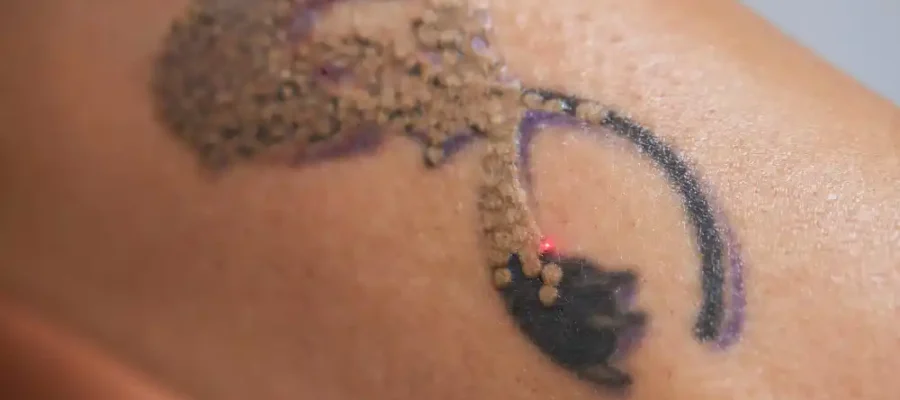
What Is Tattoo Removal?
It is the process of reducing or eliminating pigments placed under the skin using laser technology. It is applied for designs that lose meaning over time or are aesthetically unwanted. Tattoo removal targets ink particles under the skin, breaks them down, and allows the body to eliminate them naturally.
The most commonly preferred method is laser technology. Professionally performed tattoo removal aims to minimize damage to skin tissue. The number of sessions varies depending on the color and depth of the tattoo. With a properly planned tattoo removal process, noticeable fading can be achieved. :contentReference[oaicite:0]{index=0}
How Is Tattoo Removal Performed?
The procedure is based on the principle of laser beams breaking down pigments under the skin. Before the session, the area is cleaned and anesthetic cream may be applied if needed. During the procedure, laser pulses target the pigments. The fragmented ink is gradually removed from the body through the lymphatic system. After each session, tattoo removal results in visible lightening. Session intervals are typically 6 to 8 weeks. Mild redness may occur after the procedure. Tattoo removal performed under specialist supervision provides safer results.
What Are The Tattoo Removal Methods?
Although laser technology is the most common method, other techniques also exist. Surgical excision may be preferred for small tattoos. Chemical-based tattoo removal methods are less commonly used today. The most effective and safe method is laser tattoo removal. Q-Switch and Picosecond technologies target pigments. Skin type and pigment density are evaluated when selecting a method. Specialist planning increases success rates.
Laser Tattoo Removal – Q Switch / Picosecond
Laser technology breaks down pigments in a controlled manner. Q-Switch lasers deliver short, high-energy pulses. Picosecond technology breaks pigments into smaller particles with faster pulses. This allows tattoo removal to be more effective. Advanced devices provide better results, especially for colored tattoos. The number of sessions varies depending on tattoo size. Specialist evaluation determines the most suitable device.
Who Is Tattoo Removal Suitable For?
It is suitable for individuals who want to remove tattoos and have good general health. People without skin infections are eligible for treatment. Tattoo removal should be postponed if there are open wounds or active dermatological conditions. It is not recommended during pregnancy for aesthetic purposes. Dark-colored tattoos generally have higher success rates. A personalized plan is created through specialist evaluation.
Benefits Of Tattoo Removal
It reduces unwanted tattoos and provides a cleaner, more natural skin appearance. Designs that lose meaning over time may cause aesthetic concerns. Tattoo removal can increase self-confidence. Laser technology minimizes damage to the skin surface. Old or poorly done tattoos can be significantly lightened. It prepares a suitable base for new tattoos. As pigment density decreases, skin tone becomes more balanced. Specialist-planned procedures ensure safer outcomes.
How Long Does Tattoo Removal Last?
Results obtained after completed sessions are permanent. Pigments broken down by laser are eliminated by the body. Tattoo removal provides permanent reduction. The number of sessions depends on tattoo size and color. Black pigments usually respond faster. Colored tattoos may require a longer process. Noticeable fading occurs after each session. Properly planned tattoo removal ensures lasting results.
Before And After Tattoo Removal
Proper care before and after the procedure directly affects success. The skin should be protected from the sun before sessions. Tattoo removal is postponed if there is an active infection. Mild redness may occur after the procedure. The area should be kept clean in the first days. Sun protection is an essential part of aftercare. If crusting occurs, the area should not be disturbed. Proper care accelerates healing.
Side Effects And Risks Of Tattoo Removal
Side effects are usually mild and temporary. Redness and slight swelling may occur after treatment. Rarely, crusting or temporary discoloration can appear. Incorrect dosage increases the risk of scarring. Choosing an experienced specialist is essential. Sensitivity may be more noticeable in lighter skin types. Lack of sun protection increases risks. Controlled tattoo removal procedures are considered safe.
Recovery Process After Tattoo Removal
Recovery usually takes a few weeks. Mild redness may appear in the first days. If crusting occurs, the treated area should not be interfered with. The skin begins to recover within a few days. Moisturizing provides comfort after tattoo removal. Sunscreen supports healing. Sessions are typically scheduled every 6 to 8 weeks. With regular care, the process progresses smoothly.
Tattoo Removal For Scars And Spots
Laser technology may help reduce the appearance of certain scars and spots. Pigment density in the skin is targeted by laser energy. Tattoo removal devices can also affect some dark spots. Similar laser systems are preferred for superficial pigmentation issues. Different settings are used for acne scars and sunspots. Not all spots can be completely removed. Specialist evaluation determines the best treatment plan. Controlled application helps achieve a more even skin tone.
Factors Affecting Tattoo Removal Cost
Costs vary depending on tattoo size, color, and number of sessions. Large and dense tattoos require more sessions, increasing cost. Colored tattoos may take longer to remove. The laser technology used also affects pricing. Clinic equipment and specialist experience influence fees. A personalized plan is created for each case. Accurate pricing requires evaluation.
Alternative Tattoo Removal Methods
Besides laser, surgical and chemical methods exist. Surgical excision may be used for small tattoos. Chemical solutions are less commonly used today. Laser removal remains the safest option. Dermabrasion removes the skin surface but may carry higher risks. Specialist consultation is important to determine the best method.
Tattoo Removal Prices 2026
Tattoo removal prices vary depending on tattoo size, color, laser technology, and session count. Contact us for personalized pricing information.
Frequently Asked Questions
Which tattoos can be removed with laser?
Black and dark tattoos are the easiest to remove with laser. Laser light targets melanin and dark pigments more effectively. Therefore, tattoo removal is faster for black ink. Blue and dark green tones also respond well. Light and pastel colors may take longer. Professional tattoos require more sessions due to higher pigment density. Amateur tattoos are usually easier to remove. Skin type and tattoo age affect success. Specialist evaluation ensures proper planning.
Is tattoo removal painful?
A mild burning or stinging sensation may occur during treatment. It is often described as a rubber band snapping against the skin. Most people tolerate tattoo removal well. Sensitivity may increase in certain areas. Anesthetic cream can be applied beforehand. Modern devices include cooling systems for comfort. Sessions are short, so discomfort is brief. Mild sensitivity may remain for a few hours. Pain levels vary individually.
How many sessions are required?
The number of sessions depends on tattoo color and density. On average, 6 to 10 sessions are required. Black pigments respond faster. Colored and professional tattoos may require more sessions. Intervals are usually 6 to 8 weeks. Visible fading occurs after each session. Tattoo age and skin type influence results. Specialist planning ensures more efficient treatment.
Are colored tattoos harder to remove?
Colored tattoos are generally harder to remove than black ones. Laser targets dark pigments more effectively. Yellow and light green tones take longer. Red pigments require specific wavelengths. Therefore, colored tattoos need more sessions. Advanced technologies improve success rates. Depth and ink quality affect results. Specialist evaluation determines the right device.
Does tattoo removal leave scars?
When performed correctly, the risk of scarring is low. Modern laser technology minimizes skin damage. Procedures performed by experienced specialists usually do not leave scars. Incorrect dosage or poor aftercare increases risk. Temporary crusting may occur. Sun protection supports healing. Skin type and care habits influence outcomes. Properly performed tattoo removal is considered safe.