


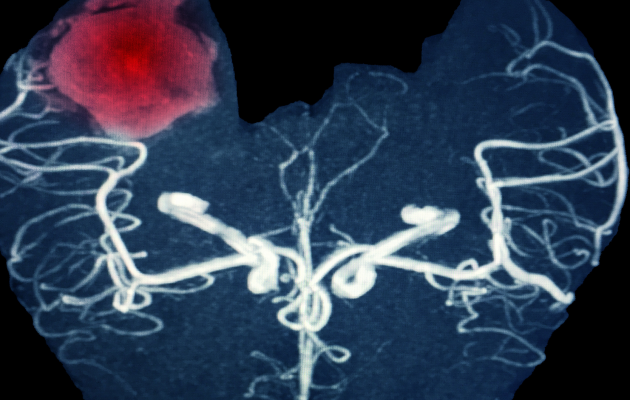
What Is Brain Hemorrhage?
Brain hemorrhage is the leakage of blood outside the vessels within or around the brain tissue. This serious medical condition can affect brain functions and requires urgent intervention. Brain hemorrhage occurs when blood vessels in or around the brain are damaged or rupture. Blood leaks into brain tissue, creating pressure on surrounding areas. It is a life-threatening condition that requires immediate medical attention. :contentReference[oaicite:0]{index=0}
What Are The Symptoms Of Brain Hemorrhage?
Symptoms of brain hemorrhage are usually sudden and severe and may include:
- Severe Headache: A sudden and intense headache is one of the most common symptoms.
- Nausea and Vomiting: Often occurs together with severe headache.
- Speech Difficulties: Reduced clarity or loss of ability to speak.
- Vision Problems: Blurred vision, double vision, or partial loss of vision.
- Balance and Coordination Issues: Difficulty walking or maintaining balance.
- Loss of Consciousness or Dizziness: Reduced awareness or fainting.
- Loss of Motor Function: Weakness or paralysis on one side of the body.
What Causes Brain Hemorrhage?
There are many possible causes of brain hemorrhage, including:
- High Blood Pressure (Hypertension): Chronic hypertension can weaken and rupture brain vessels.
- Head Trauma: Injuries to the head may cause vessel rupture.
- Aneurysm: Weak areas in brain vessels that may rupture.
- Bleeding Disorders: Conditions like hemophilia can prevent clotting and lead to internal bleeding.
- Medications: Blood thinners may increase bleeding risk.
- Age and Other Health Conditions: Aging and related diseases may increase risk.
How Is Brain Hemorrhage Diagnosed?
Brain hemorrhage diagnosis is usually made with MRI or CT scans. Treatment varies depending on the cause, location, and severity of the bleeding.
Treatment options may include surgery, medication, and intensive care support. If symptoms are noticed, immediate medical attention is critical.
What Are The Diagnostic Methods?
Diagnosis is based on symptoms, medical history, and imaging tests. In emergency situations, rapid imaging is essential to determine the presence, location, and size of bleeding.
Brain CT Scan (Cranial CT)
Definition and Use: Cranial CT is the most commonly used method for diagnosing brain hemorrhage. It provides cross-sectional images of brain tissue and quickly identifies bleeding location and spread.
Advantages: CT scans offer fast and effective results in emergencies and can detect skull fractures and other traumatic brain injuries.
Brain MRI (Cranial MRI)
Definition and Use: Cranial MRI is used for a more detailed evaluation. Magnetic resonance imaging provides high-resolution images of brain tissue and vessels.
Advantages: MRI scans can reveal underlying causes such as aneurysms or tumors and provide detailed visualization of brain changes.
Both methods are essential for accurate diagnosis and treatment planning. Early imaging is vital in emergencies and allows rapid intervention. Early diagnosis significantly improves recovery outcomes.
How Is Brain Hemorrhage Treated?
Brain hemorrhage treatment depends on the cause, size, and overall condition of the patient. The main goal is to stop bleeding, reduce intracranial pressure, and protect brain function.
Surgical Intervention
Removal of Blood: If blood accumulates in the brain, surgical removal may be required to reduce pressure and prevent further damage.
Aneurysm Repair: If an aneurysm causes the hemorrhage, surgical repair or closure may be necessary.
Medical Treatment
Blood Pressure Control: Managing hypertension helps prevent further bleeding.
Clotting and Bleeding Management: Medications may be used to stop bleeding and regulate clotting.
Neuroprotective Agents: Some drugs may help protect brain cells.
Intensive Care And Supportive Treatment
Intensive Care: Severe cases may require monitoring in intensive care units.
Neurological Monitoring: Continuous monitoring is important for tracking brain function.
Respiratory and Nutritional Support: Support may be required in critical conditions.
Rehabilitation
Physical and Speech Therapy: Recovery may involve therapies to restore daily function and independence.
Brain hemorrhage treatment requires a multidisciplinary approach involving neurology, neurosurgery, and intensive care specialists. Early intervention and proper treatment significantly impact recovery and quality of life.