


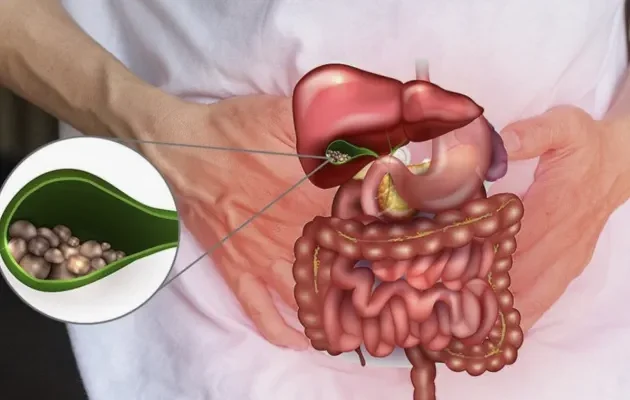
Gallstones are small, solid masses formed when bile produced by the liver hardens and crystallizes.
What Is A Gallstone?
A gallstone is a hardened mass formed from cholesterol or pigment that accumulates in the gallbladder. These stones develop due to an imbalance in the components of bile. Cholesterol stones are more common and are usually yellow in color.
What Are The Symptoms Of Gallstones?
Gallstones often do not cause symptoms. However, when they block the bile duct, symptoms such as severe abdominal pain, nausea, vomiting, and back pain may occur. These pains usually increase after meals, especially after fatty foods.
What Causes Gallstones?
Gallstones form due to an imbalance in bile composition. This is usually caused by excess cholesterol or bilirubin production. Additionally, when the gallbladder does not empty completely, the risk of stone formation increases. Hormonal changes, obesity, rapid weight loss, and certain genetic factors may also contribute.
What Are The Risk Factors?
Several factors play a role in gallstone formation. It is more common in women, especially during reproductive years, due to hormonal changes. Obesity, high cholesterol levels, older age, family history, diabetes, and rapid weight loss are also important risk factors.
How Is Gallstone Diagnosed?
Diagnosis begins with a physical examination and evaluation of symptoms. Abdominal pain and tenderness are assessed. Medical history is also considered to determine whether symptoms are related to gallstones. If findings are unclear, further tests may be required for confirmation.
What Are The Diagnostic Methods?
The most common diagnostic methods for gallstones include ultrasonography, magnetic resonance imaging (MRI), and computed tomography (CT).
Ultrasonography is the first-line method to determine the location and size of stones. MRI provides more detailed visualization of bile ducts and obstructions. CT may be used in complex cases or when other methods are insufficient.
How Is Gallstone Treated?
Treatment options vary depending on the size, number of stones, and the patient’s condition. Small stones are often monitored without intervention. If symptoms occur or the risk of complications is high, surgical treatment may be required.
Frequently Asked Questions About Gallstones
Common questions about gallstones often focus on prevention. A healthy diet and regular exercise may help reduce risk. Avoiding excessive weight gain and preventing rapid weight loss are also important.
Another frequently asked topic is surgery duration. Laparoscopic cholecystectomy usually takes 1–2 hours, and patients are often discharged the same day or the following day.