


What Is Brain Inflammation (Encephalitis)?
Brain inflammation, or encephalitis, is an acute inflammatory condition of the brain tissue. It is most commonly caused by viral infections, but bacterial infections, parasites, and even autoimmune diseases may also lead to encephalitis. It can cause swelling in brain tissue and various neurological problems. The severity may range from mild symptoms to life-threatening conditions. Early diagnosis and treatment are critically important for patient health. :contentReference[oaicite:0]{index=0}
What Are The Symptoms Of Brain Inflammation?
Symptoms of encephalitis often begin with flu-like signs such as fever, headache, muscle pain, and fatigue. In advanced cases, patients may show more severe neurological symptoms such as changes in mental state, severe headache, seizures, confusion, loss of consciousness, and even coma.
Some individuals may also experience sensitivity to light, neck stiffness, and personality changes. Since symptoms may worsen rapidly, anyone suspected of encephalitis should seek immediate medical attention.
What Causes Brain Inflammation?
The most common cause of encephalitis is viral infections. Viruses such as herpes simplex virus (HSV), enteroviruses, West Nile virus, and Japanese encephalitis virus can lead to encephalitis. In rare cases, bacterial infections, parasites, and fungi may also be responsible.
Additionally, in some cases, the immune system may attack brain tissue, leading to autoimmune encephalitis. This condition may occur after an infection or without a clear cause.
What Are The Risk Factors?
Certain factors may increase the risk of developing encephalitis. These include age (children and elderly individuals are at higher risk), weakened immune system (such as HIV/AIDS, cancer treatment, or organ transplant patients), living in certain geographic regions where specific viruses are common, and lack of vaccination.
However, encephalitis can affect anyone, so awareness of symptoms is very important.
How Is Encephalitis Diagnosed?
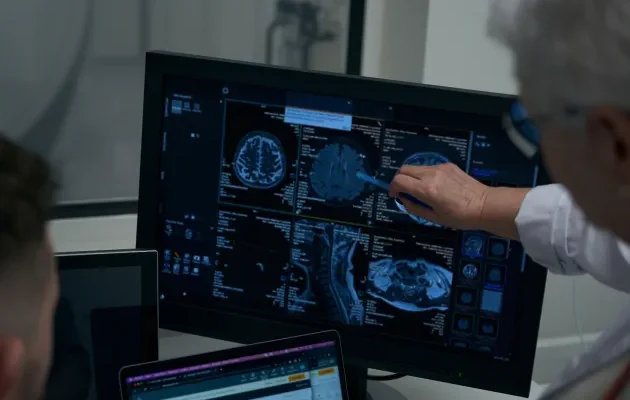
Diagnosis begins with careful evaluation of medical history and symptoms. The process usually includes blood tests, analysis of cerebrospinal fluid obtained through lumbar puncture, Brain MRI or Brain CT scans, and electroencephalography (EEG).
These tests help detect infection, determine the location of inflammation, and assess severity. MRI scans are especially useful for providing detailed images of brain inflammation.
What Are The Diagnostic Methods For Brain Inflammation?
A combination of methods is used to diagnose encephalitis. Initial evaluation includes symptoms, medical history, and physical examination. For a definitive diagnosis, more detailed tests are required:
- Lumbar Puncture (Spinal Tap): Analysis of cerebrospinal fluid is essential for detecting signs of infection and inflammation.
- Magnetic Resonance Imaging (MRI): Provides detailed images of brain tissue and helps identify inflammation or damage.
- Computed Tomography (CT Scan): Used to detect swelling, bleeding, or abnormalities, though less detailed than MRI.
- Electroencephalography (EEG): Measures brain activity and helps detect abnormalities associated with encephalitis.
- Blood Tests: Used to identify infection, especially viral causes.
- Imaging Tests: Advanced imaging such as MRI angiography may evaluate vascular structures and blood flow.
How Is Brain Inflammation Treated?
Treatment depends on the underlying cause:
- Viral Encephalitis: Antiviral medications may be used, especially for infections like herpes virus, where early treatment is crucial.
- Bacterial Encephalitis: Antibiotics are used depending on the type of bacteria involved.
- Supportive Treatment: Includes reducing fever, controlling seizures, and maintaining hydration to improve patient comfort and reduce complications.
- Immunotherapy: In autoimmune encephalitis, medications that suppress the immune system may be used.
Treatment is usually carried out in a hospital setting, and in severe cases, intensive care may be required.
Frequently Asked Questions About Brain Inflammation
Is brain inflammation contagious?
Viral infections that cause encephalitis may be contagious, but encephalitis itself is generally not directly contagious.
What are the long-term effects of encephalitis?
Some patients recover completely, while others may experience long-term neurological damage. This depends on the severity and speed of treatment.
Can encephalitis be prevented?
Vaccines are available for some viruses that cause encephalitis, such as Japanese encephalitis and rabies. Preventive measures like avoiding mosquito bites can also reduce risk.